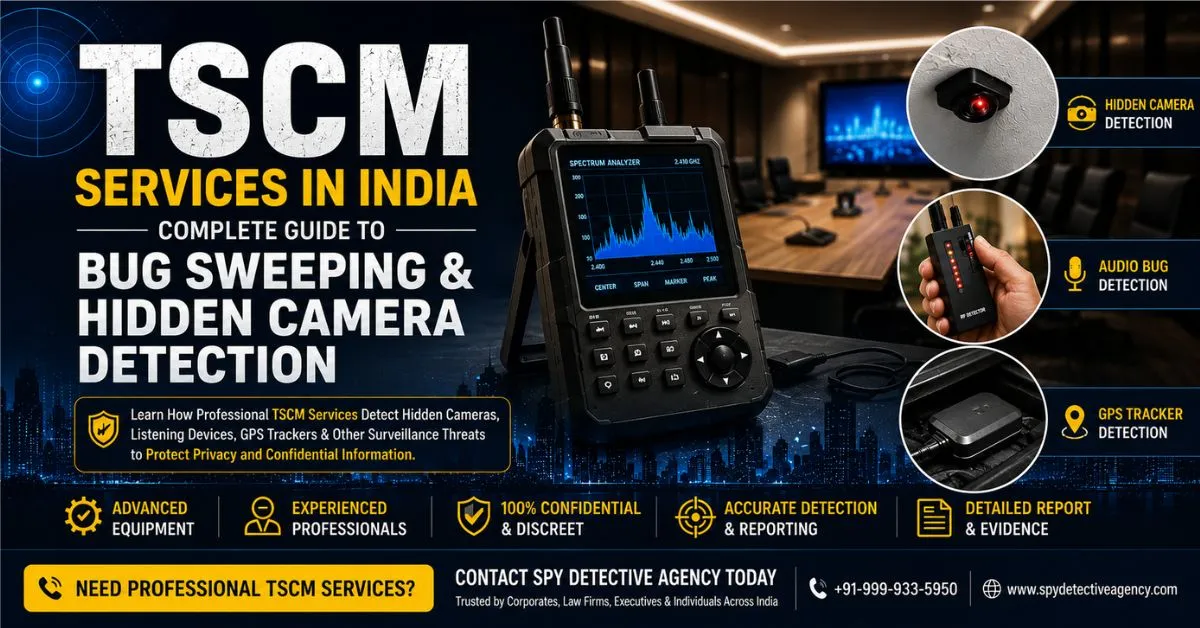
The Importance of Bug Sweeping & Debugging in Corporate and Personal Security

The Importance of Bug Sweeping & Debugging in Corporate and Personal Security

In an era of hybrid work, insider risk, IoT devices, and always connectivity, confidential conversations and private spaces are easier to compromise than ever. Professional bug sweeping (Technical Surveillance Counter‑Measures, or TSCM) and de-bugging protect sensitive information, prevent reputation damage, and restore peace of mind—at work, at home, and in transit.

Bug sweeping and de‑bugging are not “nice‑to‑have” extras—they’re a critical layer in modern security. Pro teams identify and remove covert audio/video transmitters, hidden cameras, GPS trackers, and digital eavesdropping risks across rooms, vehicles, and networks, then harden your environment so threats don’t return.

What is bug sweeping and de‑bugging (TSCM)?

  • Bug sweeping: A systematic search using specialized tools and trained techniques to detect covert surveillance devices (audio transmitters, hidden cameras, trackers) and indicators of digital eavesdropping.
  • De‑bugging: Safe removal, isolation, and remediation—plus hardening to prevent recurrence.
  • TSCM: The professional discipline that covers both, including reporting, evidence handling, and recommendations.

Why it matters for companies

  • Protect confidential info: M&A talks, product roadmaps, IP, board strategy, legal matters.
  • Reduce insider risk: Departing staff, contractors, and visitors can introduce devices or software.
  • Comply and defend: Demonstrate reasonable security measures; preserve evidence if required.
  • Safeguard reputation and valuation: A single leak can impact market position and trust.

Hire the Best Detective Agency in Mumbai for Home & Office Debugging

Why it matters for individuals and families

  • Privacy in homes, rentals, Airbnbs, and hotels
  • High‑profile and high‑net‑worth risk (public figures, executives)
  • Stalking and domestic abuse protection (in coordination with law enforcement)
  • Peace of mind during life transitions (breakups, legal disputes, moves)

Common threat scenarios

  • Hidden cameras in rentals, offices, dressing rooms, or short‑term stays
  • Audio transmitters planted in meeting rooms, desks, lamps, or vehicles
  • GPS trackers on cars (magnetic undercarriage, OBD‑II, or hidden in cargo)
  • Compromised conference phones, VoIP endpoints, or softphone laptops
  • Rogue Wi‑Fi access points, insecure IoT plugs, smart speakers/cameras
  • Mobile device spyware and malicious configuration profiles

Signs you may need a sweep

  • Unexplained leaks or “too‑accurate” rumors about private discussions
  • New or out‑of‑place devices, wall plates, cables, or power adapters
  • Interference or anomalies on conference calls or RF meters
  • Unexpected batteries, SD cards, or SIMs found on premises
  • Sudden spikes in data use on office/home networks or vehicles
  • Changes after terminations, renovations, moves, or break‑ins

What a professional sweep includes

A credible TSCM sweep blends physical, electronic, and digital analysis. Expect:

  • Site risk assessment: Floor plans, threat modeling, high‑value targets (boardrooms, offices, bedrooms, bathrooms, vehicles, shared walls).
  • Physical search: Systematic inspection of furnishings, fixtures, ceilings, vents, outlets, lamps, artwork, and common concealment sites.
  • RF spectrum analysis: Scans for active transmitters across relevant frequency ranges; demod checks for audio/video payloads.
  • Non‑linear junction detection (NLJD): Locates hidden electronics (even if powered off) in walls, furniture, or objects.
  • Optical/IR checks: Lens detection for pinhole cameras; IR/visible light sweeps in low‑light conditions.
  • Thermal and power analysis: Identifies heat signatures and suspicious loads on mains or PoE circuits.
  • Wiring and cable tracing: Inspects telephony, Ethernet, HDMI, and patch panels for taps or rogue devices.
  • Network and Wi‑Fi survey: Maps SSIDs, identifies rogue APs, scans for default/weak credentials, and odd traffic patterns.
  • Vehicle sweeps: Undercarriage, OBD‑II, cabin, and cargo checks; RF and physical inspection.
  • Mobile/endpoint triage: Policy‑compliant triage for spyware indicators; referrals for full forensic analysis when appropriate.
  • Documentation and chain‑of‑custody: Photographs, device handling, time‑stamped logs; evidence preserved if needed.
  • Remediation and hardening: Safe removal/neutralization, network hardening, and policy updates.

Digital risks: phones, Wi‑Fi, and IoT

  • Smartphones: Commercial spyware and malicious profiles exist. Professional mobile forensics can assess risk; keep OS updated, use MDM where appropriate, and enable hardware‑level security features.
  • Wi‑Fi/Networks: Use strong authentication (WPA3/802.1X where possible), segment IoT, disable UPnP, and audit guest networks. Monitor for rogue APs and unusual outbound traffic.
  • IoT and smart speakers: Treat voice assistants and cloud cameras as “always‑on microphones.” Use meeting‑room protocols (device‑free sessions or certified storage) for sensitive discussions.

Legal and ethical considerations

  • Laws differ: Consent for recordings and counter‑surveillance actions varies by jurisdiction.
  • Don’t jam: RF jammers are illegal in many countries.
  • Evidence handling: If you find a device, improper handling can jeopardize a case. Engage professionals to preserve evidence and coordinate with counsel and law enforcement.
  • Workplace policy: Clearly communicate privacy policies and acceptable‑use; coordinate with HR and Legal.

How often should you sweep?

Corporate

  • High‑risk areas (boardrooms, executive suites, R&D labs): Quarterly or around sensitive events (M&A, earnings prep, major product milestones).
  • General offices: Semi‑annually to annually, plus after renovations or staffing changes.
  • Travel/off‑site events: Pre‑event checks; day‑of room validation.

Personal

  • New residences, rentals, or after a move/renovation: On occupancy.
  • After relationship changes, legal disputes, or suspected stalking: As soon as safely possible (with law enforcement guidance).
  • Vehicles: After service by unfamiliar providers or suspicious patterns.

What to do if you suspect surveillance

Do

  • Move to a different, trusted location before discussing suspicions.
  • Limit nonessential electronics use; save unusual devices for professionals to examine—don’t power them repeatedly.
  • Document observations (photos, times) without tampering.
  • Contact a qualified TSCM provider and, where appropriate, law enforcement.

Don’t

  • Confront potential suspects.
  • Publicly announce a sweep.
  • Use illegal signal jammers.
  • Destroy or discard suspicious devices—this can harm investigations.

How to choose a provider

  • Qualifications: Look for specialized TSCM training/certifications and relevant security credentials (e.g., ASIS CPP/PSP). Ask about ongoing training and lab capability.
  • Independence: Avoid conflicts of interest (e.g., same firm selling consumer “spy gadgets”). Insist on vendor neutrality.
  • Equipment and methods: Modern, calibrated tools; coverage of RF, NLJD, optical, thermal, wiring, network, and vehicles.
  • Reporting: Chain‑of‑custody, photos, device inventories, and clear remediation guidance.
  • References and discretion: Experience with board‑level work and high‑profile clients; strong confidentiality posture and NDAs.
  • Scope and pricing clarity: Defined areas, duration, on‑site disruption plan, and follow‑up support.

Myths vs reality

  • Myth: “No one targets us.” Reality: Opportunistic threats are common, and insider risk crosses every industry and household.
  • Myth: “A cheap handheld detector is enough.” Reality: Many devices are burst/packet‑based or dormant; layered methods are required.
  • Myth: “Sweeps mean we don’t need policies.” Reality: Sweeps are one layer; combine with access control, device‑free meetings, NDAs, and security awareness.
  • Myth: “Turning off Wi‑Fi stops everything.” Reality: Devices can store locally, use cellular, or piggyback on other power/data lines.

FAQs

Q: Will a sweep disrupt operations?
A: Professional teams plan around your schedule. Expect some short room closures and controlled device power‑downs during testing.

Q: Can you find powered‑off devices?
A: Some tools (e.g., non‑linear junction detection) can locate electronics even when they’re not transmitting. Physical inspection remains essential.

Q: Do sweeps also cover phone spyware?
A: Teams can triage for indicators and coordinate full mobile forensics if needed. Expect separate consent and handling protocols.

Q: Are consumer detectors worth it?
A: They can flag obvious risks but miss dormant, wired, or packet‑burst devices. Use them as a stopgap—not a substitute for a professional sweep.

Q: What deliverables should we expect?
A: A confidential report with findings, photos, remediation steps, and chain‑of‑custody documentation. Some providers also offer policy and training recommendations.

Q: How much does a sweep cost?
A: Pricing depends on size, complexity, travel, and scope (rooms, vehicles, networks). Reputable firms provide a clear, scoped quote up front.

Conclusion

Confidential information is the backbone of trust—whether in business or personal life. Ignoring the risk of covert surveillance can open doors to data theft, blackmail, and reputation loss. Regular bug sweeping and de-bugging are no longer optional—they are essential defenses in today’s digital-first world.

If you suspect hidden devices, unexplained leaks, or simply want to ensure a secure environment, don’t take chances. Spy Detective Agency, a leading name in TSCM and debugging services in Delhi, India, offers discreet, evidence-driven inspections for offices, vehicles, and private residences.

🔒 Protect your privacy before it’s compromised.

Contact Spy Detective Agency today for a 100% confidential consultation and professional bug sweeping service you can trust.

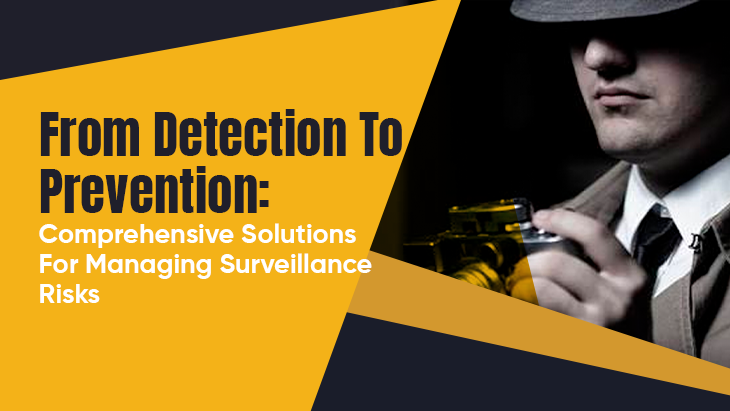
From Detection To Prevention: Comprehensive Solutions For Managing Surveillance Risks

Detection To Prevention

Modern society is characterized by humanity’s total dependency on technology, which makes personal privacy and security more important. Privacy invasion, especially through secret recording and monitoring within homes, workplaces, and other spaces, is very risky. Undercover surveillance technologies include concealed cameras, microphones, and GPS gadgets that may secretly record, spy, or intrude on people’s privacy without their permission. The management of these risks involves detection as well as prevention measures to protect sensitive data and provide much-needed assurance.

Understanding the Surveillance Threat

Surveillance threats can come in many forms, and understanding these threats is the first step in managing them effectively. Here are some common types of surveillance devices:

  • Hidden Cameras: Often disguised as everyday objects like smoke detectors or alarm clocks, these cameras can record activities without the knowledge of those being watched.
  • Microphones and Audio Recorders: These devices can capture conversations and sensitive discussions, potentially compromising confidentiality.
  • GPS Trackers: Small and discreet, GPS trackers can be attached to vehicles or personal belongings to monitor movements and locations.
  • Wireless Transmitters: These devices transmit signals from hidden cameras or microphones to a remote receiver, making detection more challenging.

Detection: Identifying Hidden Surveillance Devices

Detecting hidden surveillance devices involves a combination of physical inspection and electronic scanning. Here’s a detailed look at how to approach detection:

  1. Physical Inspection:
    • Check Common Hiding Spots: Surveillance devices are often hidden in common household or office items. Inspect smoke detectors, electrical outlets, and vents for unusual modifications or extra components.
    • Look for New or Out-of-Place Items: Any new or out-of-place objects, especially those with small holes or lenses, should be scrutinized closely.
    • Examine Wiring and Power Sources: Inspect wiring and power sources for any signs of tampering or additional devices connected to them.
  2. Electronic Scanning:
    • RF Detectors: These devices can identify radio frequencies emitted by wireless surveillance devices. Scan the area for any unusual signals or interference.
    • Signal Analyzers: These tools help detect the presence of active electronic devices by analyzing signal patterns and frequencies.
    • Thermal Imaging: Thermal cameras can detect heat signatures from electronic devices, which may help identify hidden surveillance equipment.
  3. Professional Assistance:
    • Hire Experts: For comprehensive detection, consider hiring professional debugging services. These experts have advanced tools and expertise to conduct thorough sweeps and identify sophisticated surveillance devices.

Prevention: Strategies to Avoid Unauthorized Surveillance

Once surveillance devices are detected and removed, prevention strategies are crucial for minimizing future risks. Here’s how you can proactively prevent unauthorized surveillance:

  1. Regular Sweeps and Inspections:
    • Routine Checks: Conduct regular inspections of your home or office to ensure no new surveillance devices have been installed.
    • Scheduled Sweeps: Schedule periodic professional sweeps to detect any hidden devices that may have been missed during routine checks.
  2. Secure Your Space:
    • Physical Security: Install locks and secure entry points to prevent unauthorized access to your premises.
    • Security Cameras: Use your own security cameras to monitor the surroundings, but ensure they are installed and maintained in compliance with privacy regulations.
  3. Educate and Train:
    • Awareness Programs: Educate employees or family members about the risks of surveillance and how to recognize potential threats.
    • Training: Provide training on how to perform basic security checks and recognize signs of unauthorized surveillance.
  4. Utilize Advanced Technology:
    • Encryption: Use encryption for sensitive communications and data storage to prevent unauthorized access.
    • Secure Networks: Protect your network with strong passwords and encryption to prevent remote access to surveillance devices or other security breaches.
  5. Legal Protections:
    • Know Your Rights: Familiarize yourself with local laws and regulations regarding surveillance and privacy. Understanding your rights can help you take appropriate legal action if needed.
    • Report Suspicious Activity: Report any suspicious activity or suspected surveillance devices to the authorities or legal professionals.

Pros and Cons of Debugging and Sweeping Detective Services

Pros:

  1. Enhanced Privacy: Detects and removes hidden surveillance devices, ensuring personal and professional privacy.
  2. Security Assurance: Identifies unauthorized monitoring, preventing potential espionage or data theft.
  3. Comprehensive Detection: Utilizes advanced technology for thorough scans and inspections.
  4. Peace of Mind: This provides confidence that your environment is free from hidden surveillance threats.

Cons:

  1. Cost: Professional services can be expensive, especially for high-tech detection and regular sweeps.
  2. False Positives: Detection equipment may sometimes identify non-threatening signals as potential threats.
  3. Limited Coverage: Some sophisticated devices may evade detection, requiring ongoing vigilance.
  4. Privacy Concerns: Hiring external services may raise concerns about sharing sensitive information with third parties.

Balancing these pros and cons helps in making informed decisions about investing in debugging and sweeping services to safeguard privacy and security.

Choosing the Right Debugging and Sweeping Service

Selecting a reliable debugging and sweeping service is crucial for effective detection and prevention of surveillance threats. Here’s what to consider when choosing a service:

  1. Experience and Expertise:
    • Track Record: Look for a service with a proven track record of successfully detecting and removing surveillance devices.
    • Specialization: Ensure the service specializes in debugging and sweeping, with expertise in handling various types of surveillance equipment.
  2. Technology and Tools:
    • Advanced Equipment: Verify that the service uses the latest technology and tools for detecting and analyzing surveillance devices.
    • Up-to-Date Techniques: Choose a service that employs up-to-date techniques and methodologies to stay ahead of evolving surveillance technologies.
  3. Confidentiality and Trust:
    • Privacy Policies: Ensure the service prioritizes confidentiality and handles sensitive information with care.
    • References and Reviews: Check references and reviews to gauge the reliability and reputation of the service.
  4. Comprehensive Services:
    • Full-Spectrum Analysis: Opt for a service that offers a full spectrum of analysis, including physical inspection, electronic scanning, and detailed reporting.
    • Ongoing Support: Consider services that offer ongoing support and follow-up to address any emerging concerns or issues.

How Spy Detective Agency Can Help

Spy Detective Agency offers essential services to manage and mitigate surveillance risks effectively. Their team specializes in detecting hidden surveillance devices such as cameras, microphones, and GPS trackers using advanced technology like RF detectors, signal analyzers, and thermal imaging. Through thorough physical inspections and electronic sweeps, they identify and remove unauthorized devices from your premises.

In addition to detection, the Spy Detective Agency provides preventive measures, including regular sweeps, enhanced security recommendations, and training to recognize surveillance threats. They also offer legal advice and evidence collection services for privacy breaches. With their expertise, you can ensure a secure environment, protect sensitive information, and maintain peace of mind. Whether you need to address immediate concerns or implement long-term security strategies, Spy Detective Agency delivers comprehensive solutions tailored to your specific needs.

Conclusion

Effectively managing surveillance risks necessitates a comprehensive approach encompassing both detection and prevention. By understanding various surveillance threats and utilizing advanced detection methods, individuals and organizations can proactively safeguard their privacy and security. Implementing preventive measures and choosing the right debugging and sweeping services are crucial for thorough and reliable protection.

Spy Detective Agency – the best detective agency in Delhi stands out as a vital partner in this endeavor, offering specialized expertise in identifying and neutralizing hidden surveillance devices. Their advanced technology, thorough inspections, and preventive strategies ensure that your environment remains secure from unauthorized monitoring. Whether dealing with personal privacy concerns, corporate security, or sensitive government operations, their tailored solutions help maintain a secure and confidential space.

By staying vigilant and informed and leveraging the expertise of Spy Detective Agency, you can effectively manage surveillance risks, uphold your privacy, and ensure peace of mind in an increasingly complex digital landscape.