

Experienced Detective Agency in Delhi for Personal & Corporate Cases

Detective agency in Delhi

Introduction to Professional Investigation Services in Delhi

In a city like Delhi that is always changing and growing, it is more important than ever to check facts, find the truth, and get information that you can trust. Uncertainty can make you lose money and stress you out, whether it’s in your personal life or in business. A professional detective agency in Delhi can help with this. Private, legal, and results-orientated investigation services from experienced detective agencies help people and businesses find out the truth and make smart decisions with confidence.

Delhi needs detective agencies that have been around for a long time.

There are a lot of businesses, startups, government offices, and different kinds of neighbourhoods in Delhi. When things get more complicated, there are more lies, fraud, and trust issues. A reputable detective agency in Delhi knows the area, the laws they need to follow, and the cultural differences that can affect their work. Because they know Delhi NCR well, they can do investigations quickly and keep information private and correct.

What to Look for in a Good Detective Agency in Delhi

Being a good detective is about honesty, knowledge, and professionalism, not just experience. A well-known detective agency in Delhi hires trained investigators, many of whom have worked in law enforcement or intelligence services. These agencies are very careful to follow the law and use both old and new technology to get results that are based on facts.

There are services that help with personal investigations.

A lot of the work that Delhi detective agencies do is for people. You should be careful and understanding because these cases are often private and emotional. Detective agencies handle these kinds of things professionally, making sure that clients get the right information without putting themselves in danger or taking on too much risk.

Services that look into marriages

Detective agencies in Delhi offer marriage investigations as one of their most popular services. You can find out about a potential partner’s background, finances, job status, and personal history before you get married. When people have doubts about their spouse, like when they think their spouse is cheating, hiding money, or lying, they do post-marriage investigations. These studies provide clear evidence to help you make life or legal decisions.

Investigations into cheating and trust

If you don’t trust someone, you should get professional help. The most important thing in any relationship is trust. A private detective agency in Delhi looks into cheating and loyalty to find out what’s really going on when people act strangely. To help clients better understand their situation and make informed decisions about what to do next, investigators use behavioural analysis and surveillance to gather evidence.

To keep people safe, it is important to conduct background checks on individuals.

You have to do background checks these days. A lot of families in Delhi hire a detective agency to check out their drivers, carers, housekeepers and tenants. These background checks look at a person’s identity, address history, and reputation. This procedure makes it less likely that there will be problems in the future and keeps people safe.

Services for Investigating Missing Persons

It can be very hard to find missing people in a big city like Delhi. A detective agency in Delhi that has been around for a long time finds missing people by doing investigations on the ground, tracking them digitally, and using local intelligence networks. If you hire a professional investigator, you are much more likely to find a runaway, a missing family member, or someone who suddenly goes missing.

Corporate Investigation Services in Delhi

Businesses that want to keep their assets, reputation, and operations safe need corporate investigation services. A professional detective agency in Delhi helps businesses find risks, catch fraud, and check important information before making big decisions.

Companies check out the history of their employees.

If a business wants to grow, it needs to hire people they can trust. A Delhi detective agency checks the education, work history, references, and professional behaviour of its employees to make sure everything is correct. These checks help businesses keep the workplace safe and avoid hiring people who could be a risk.

Fraud investigations in business and finance

Business fraud can hurt your money and your reputation a lot. A well-known detective agency in Delhi looks into corporate fraud very closely to find things like fake vendors, theft from within the company, and financial manipulation. Businesses can use the proof they gather to fix problems and improve their internal controls.

Protecting your ideas and data from thieves

As we rely more and more on digital systems, data theft and leaks of intellectual property have become big problems. A detective agency in Delhi uses both cyber investigation and physical surveillance to figure out when someone has accessed or leaked information without permission. These services help companies keep their private information safe and stay ahead of their competitors.

Conducting thorough research and evaluating a business is essential.

It’s essential to do your research before entering into a partnership, merger, or big investment. A detective agency in Delhi does a full business verification, which means they check out a company’s past, its financial stability, its market reputation, and its legal risks. This makes sure that business decisions are safe and based on facts.

Detective agencies conduct investigations to gather information.

When a professional detective agency in Delhi looks into something, they do it a certain way. The first thing to do is meet with the client to find out what they want. The next step is to make a plan and look over the law. After that, investigators go out into the field, watch people, and look at the information. The last step is to write a private, detailed report that is based on facts.

Investigations must adhere to the law and ethical standards.

It is essential for investigators to be honest and do what the law says. A good detective agency in Delhi doesn’t do anything illegal. They don’t break people’s privacy or spy on them without their permission. You can trust the results when you collect evidence legally and use it in court or to learn more about the case.

Why You Should Hire a Professional Detective Agency in Delhi

There are many benefits to hiring a professional detective agency in Delhi, such as getting accurate information, saving time, keeping things private, and feeling safe. Customers don’t have to guess; they get real information that helps them make smart choices.

How to Find the Best Detective Agency in Delhi

If you want to get good results, you need to choose the right agency. Before hiring a detective agency in Delhi, clients should think about how long the agency has been in business, how honest and open they are, how they keep clients’ information private, and how they treat clients professionally. A reliable agency puts ethical investigation methods first and sets realistic goals.

Conclusion

People and businesses who need to find the truth in unclear situations should hire a Spy detective agency with a lot of experience in Delhi. Professional detective services can help you understand, trust, and take charge of everything from marriage problems to complicated business investigations. Delhi is a very complicated city, so it’s a good idea to hire a good detective agency to protect your relationships and businesses and make decisions based on facts instead of guesswork.

How a Detective Agency in Delhi Works

Understanding the investigation process helps clients feel confident and informed.

  1. Initial Consultation – The agency listens to the client’s concerns and understands objectives.
  2. Case Feasibility & Strategy – Investigators assess the case, legal boundaries, and resources required.
  3. Investigation Execution – Surveillance, fieldwork, interviews, and digital tracking are conducted.
  4. Evidence Collection – All findings are documented with photos, videos, and written reports.
  5. Final Report – The client receives a comprehensive, confidential report with factual conclusions.

Protect Your Privacy with Professional Bug Sweeping

Bug-Sweeping

Why Privacy Is More Important Than Ever

Privacy is currently one of the most treasured and risked assets in an online-centric world. There is a growing exposure of personal chats, business planning, financial information, and secret meetings to the dangers of surveillance. Due to the fast technological development, the spying and monitoring equipment is smaller, more affordable, and conveniently disguised.

Consumers and companies are currently exposed to escalating risks of data breaches, business spying, and unauthorised surveillance. There is no place that is completely safe, from offices and homes to vehicles and hotels. That is why active privacy protection is no longer an option but a necessity.

An agency specialising in bug sweeping services in a professional detective agency in Delhi is useful in the identification and removal of such threats before they lead to any severe damage.

What Is Bug Sweeping?

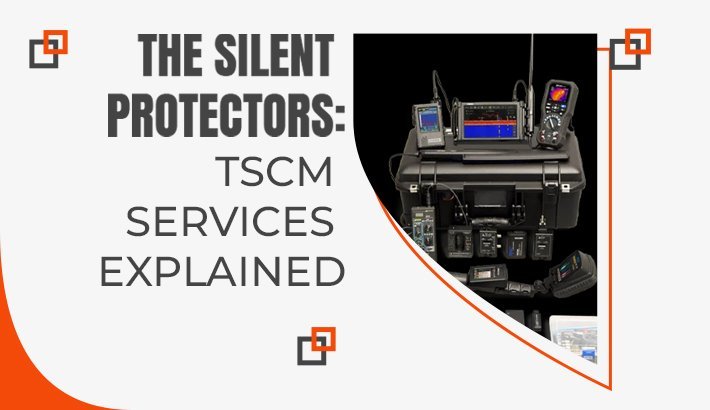
Technical Surveillance Countermeasures (TSCM), or bug sweeping, is a professional procedure that has been adopted to detect and eliminate covert surveillance equipment installed to spy or perform unauthorised surveillance.

These devices may include:

  • Hidden cameras
  • Audio listening bugs
  • GPS tracking devices
  • Spy microphones
  • Wireless transmitters not approved by the manufacturer.

Bug sweeping ensures confidentiality of information by convincing us that it is not a secret device capturing our conversations and movements and transmitting sensitive information. When undertaken by professional organisations, it offers a safe place to carry out personal and business-related activities.

Common Places Where Bugs and Spy Devices Are Found

The surveillance gadgets are usually installed in areas where confidential meetings or motions are involved.

Common locations include:

  • Business is made in offices and corporate boardrooms.
  • Houses, bedrooms, and living rooms, particularly when there is a conflict or a case involving a large amount of money.
  • Personal vehicles and cars are usually targeted by GPS trackers.
  • Hotel, meeting rooms and rented rooms, which are used for confidential meetings.

The inspections on all such spaces are done by a trusted detective agency in Delhi through the use of high-detection equipment.

Who Needs Professional Bug Sweeping Services?

Celebrities, or politicians, are not the only ones who can use bug sweeping services. Any person working with sensitive information may be a beneficiary.

The professionals that frequently need bug sweeping are:

  • Corporate executives and the owners of the business.
  • The political lawyers and prominent people.
  • Couples with privacy and trust problems.
  • Firms with sensitive information or trade secrets.
  • People who think they are being spied on or stalked or their data has been stolen.

Post-employment services are also combined with bug sweeping in most corporate cases whereby former employees should not install any surveillance gadgets or compromise sensitive information to the company once they have left the organisation.

Signs That Indicate You May Be Under Surveillance

Although such surveillance instruments are meant to be concealed mechanisms that are not suspected, there are red flags that can be employed.

These include:

  • Abnormal phone usage or constant call disruption.
  • Noises like clicking or noises in the background when on calls.
  • Unexpected battery depletion or overheating.
  • Sudden Wi-Fi connections or signal problems.
  • Untrustworthy objects, cables or mystified installations.

When such indications prevail, then it is only worth seeking the services of professional bug sweeps instead of settling with assumptions.

How Professional Bug Sweeping Is Conducted

Bug sweeping is a very technical exercise that is conducted in a systematic manner.

The process would usually involve:

  • Screening of risk to find out the concerns of the client.
  • On-site investigation of the suspected area.
  • Advanced detection equipment such as RF detectors and spectrum analysers was used.
  • In-room, in-furniture, in-wiring, and in-vehicle physical and electronic scanning.
  • Reporting and registering of any threats identified.

The whole process is handled by an investigative agency that is professional in Delhi and does this discreetly without breaking the law.

Types of Devices Detected During Bug Sweeping

Professional bug-sweeping specialists have been trained, and they identify a broad variety of surveillance equipment.

It has been noted that common devices are:

  • Cameras that were disguised as ordinary things.
  • Listening bugs and espionage cameras.
  • GPS trackers fitted in cars or personal items.
  • Remote data wireless transmitters.
  • Rogue Wi-Fi/Bluetooth devices.

Early identification of these devices will avoid misuse of data, blackmail, company loss, or even risk to personal safety.

Legal and Ethical Aspects of Bug Sweeping

Sweeping up bugs should always be within the confines of the law. The privacy regulations and the legal standards are strictly observed in ethical investigation agencies.

Professional investigators:

  • Do not illegally access confidential information.
  • Do not destroy property during inspection.
  • Keep the findings confidential.
  • Offer legal record keeping and reporting.

Tried agencies also have the advantage of having discovered devices disposed of in a responsible manner and clients advised on the legal follow-up, when necessary.

Benefits of Hiring Professional Bug Sweeping Experts

The use of trained personnel is much more beneficial as compared to do-it-yourself approaches.

Key benefits include:

  • Increased privacy and safety of people and companies.
  • Corporate spy and data theft security.
  • Having calmness that your area is safe.
  • Pre-sensitive meeting or negotiations risk mitigation.
  • Professional inspection and whistleblowing.

The combination of bug sweeping and post-employment service is frequently utilised in many organisations to protect against insider threats outside their boundaries once an employee has left.

Common Myths About Bug Sweeping Services

There are various myths that do not allow individuals to take action in time.

Common myths include:

  • Only high-profile persons can do bug sweeping.
  • Hidden surveillance is rare.
  • Any spying equipment can be noticed by mobile applications.
  • Bug sweeping breaches privacy.

Factually, the risks of surveillance are on the rise, self-help measures are not dependable, and professional bugging is fully legitimate as long as it is ethically done.

Choosing the Right Bug Sweeping Service Provider

The process of choosing an appropriate service provider is very essential to precise results.

Search to find an agency that provides:

  • Experienced and technical skills.
  • Approved and highly sophisticated detection devices.
  • Professionalism and strict confidentiality.
  • Effective reporting and transparency.
  • Local and national listings of the services.

An efficient detective agency in Delhi will also provide other forms of complementary services like surveillance, background checks and after-employment services to provide holistic security.

Conclusion: Secure Your Space, Protect Your Privacy

In an era where privacy breaches can lead to financial loss, reputational damage, and emotional stress, proactive protection is essential. Bug sweeping is no longer a luxury—it is a necessity for individuals and organisations alike.

Regular inspections, especially before important meetings, after employee exits, or during disputes, can prevent serious risks. Professional bug sweeping services ensure that your conversations, data, and movements remain confidential.

We at Spy Detective Agency are committed to protecting your privacy with advanced bug sweeping solutions, ethical practices, and complete discretion. As a trusted detective agency in Delhi, we also provide background checks, surveillance, and post-employment services to help individuals and businesses stay secure.

Contact Spy Detective Agency today to secure your space, eliminate hidden threats, and regain complete control over your privacy. Your safety begins with awareness—and the right professional support.

Before Relationships or Deals: Verify the Person First

person background verification

Why Verification Comes Before Trust

All relationships, be they personal or professional, are built on trust. We put our feelings, money, companies and even our lives in the hands of people. Nevertheless, trust that is unverified may turn out to be regrettable, unprofitable, and costly in the long run, in terms of both the emotion and the finances.

Blind trust in relationships may end up in heartbreak, betrayal or even court battles. It may result in fraud or loss of money or reputation in business. Most of the individuals relate verification with suspicion, yet in a real sense, verification is an intelligent and a responsible measure that safeguards all concerned interests.

The fact that a person’s background verification has been selected is not about mistrust but rather clarity. A professional detective agency in Delhi or detective agency in Mumbai assists individuals and organisations to make choices based on facts but not assumptions so that they will be at peace of mind before committing themselves.

What Is Person Background Verification?

Person background verification is a professional procedure which is employed to verify the authenticity and credibility of that individual and past records. It entails the accumulation of facts based on credible sources to establish whether the assertions made by a given individual are in line with reality.

Background verification is based on documented evidence unlike assumptions or even hearsay. It fills in the disjunction between the said and the true.

Verification is of two kinds:

  • Background check on an individual, applied in marriage, relationships, domestic employees, or those being taken care of.
  • Professional background verification is employed in the work of employment, business cooperation, and corporate positions.

Background checks in most instances are accompanied by the loyalty test investigation services to determine honesty and integrity of behaviour in relationships.

Situations Where Background Verification Is Essential

Background checking has been applicable in numerous practical scenarios where trust is extremely important.

It is highly recommended:

  • Prior to getting married or getting into serious relationships to prevent emotional and legal issues.
  • When making business alliances or investing.
  • When it comes to employing domestic workers, chauffeurs, housekeepers or babysitters.
  • To recruit employees, promote employees or sensitive positions.
  • Prior to the sale or purchase of property or big financial transactions.

A reputable detective agency in Mumbai or detective agency in Delhi will make sure that the verification is done in a professional and discreet manner so that your interests are not violated.

Key Details Checked During Person Background Verification

Professional person background checking encompasses numerous areas of life of a person to be accurate and transparent.

Key areas checked include:

  • Checking identity and address to verify authenticity.
  • Learning background and work experience.
  • Legal controversies and criminal records, in case.
  • Fraud history, financial history or liabilities.
  • Social behaviour and lifestyle patterns.

These audit controls can be used to detect inconsistency, misstatements, or undisclosed risks that are not apparent on the outside.

Benefits of Verifying a Person Before Commitment

Before committing itself, the signatory enjoys long-term security and tranquillity.

Some major benefits include:

  • Evading fraud, deceit and emotional trauma.
  • Basing decisions on facts.
  • Fostering confidence based on openness and not assumptions.
  • Defending personal security and financial security.
  • Avoiding legal and social complications in the future.

Be it a marriage proposal, business deal or employment decision, person background verification is a sure way to do things.

How Professional Background Verification Is Conducted

The background check of the professional is conducted in a systematic and ethical way.

It is usually done through:

  • Gathering of pertinent material/documents.
  • Field validation, by means of clandestine investigations.
  • Checking governmental records and databases.
  • Examining Internet footprints and Internet presence.
  • Preparing results into a comprehensive and secret report.

Adept researchers make sure that everything is done in a legal and ethical manner. The accuracy, confidentiality and compliance at all levels are the main concerns of a reliable detective agency in Delhi or a detective agency in Mumbai.

Common Myths About Background Verification

Background verification is a misinterpreted issue with numerous myths that deny an individual the opportunity to take this significant step.

Common myths include:

  • Lack of trust entails verification.
  • It is only criminals that should be checked.
  • Background checks infringe privacy.
  • Complete information is obtained through the search of the internet.

As a matter of fact, verification is preventive. Professional enquiries do not violate privacy legislation and offer much more valid information compared to informal web-based research.

Legal and Ethical Aspects of Background Verification

Legal compliance is a critical aspect of professional background verification. Ethical agencies operate strictly within the boundaries of the law.

Investigators:

  • Do not access private data illegally.
  • Do not misuse personal information.
  • Do not conduct surveillance without legal grounds.
  • Follow privacy and data protection regulations

Choosing a professional agency ensures that verification does not expose you to legal risks while maintaining ethical standards.

Choosing the Right Background Verification Agency

The quality and reliability of results are dependent on the choice of the appropriate agency.

The following should be provided by a reliable agency:

  • 12 years of experience and credibility in the industry.
  • Extremely high level of confidentiality and data safety.
  • Open operations and reporting.
  • The coverage is on cities or countrywide.

A well-known detective agency in Mumbai or a detective agency in Delhi is a combination of local knowledge and professional and well-investigated methods.

When to Act: Signs You Should Not Ignore

There are some risky elements that must not be ignored.

These include:

  • Unreliable stories or dynamic information.
  • Shyness in disclosing simple information.
  • Pressure to rush decisions
  • Unconfirmed qualifications or unspecified experience.

In case of such signs, it is possible to take action at an early stage by conducting a background verification of the person or an investigation of a loyalty test to avoid severe consequences in the future.

Conclusion: Trust Built on Truth Lasts Longer

Trust is strongest when it is built on truth. Whether in relationships or business dealings, relying on verified facts protects your emotional well-being, finances, and future.

Background verification is not about suspicion—it is about responsibility. Taking the right steps before commitment allows you to move forward with confidence and clarity.

We at Spy Detective Agency specialise in professional person background verification and loyalty test investigation services across India. With experienced investigators, strict confidentiality, and ethical practices, we help individuals and businesses uncover the truth before it’s too late.

If you are looking for a trusted detective agency in Delhi or a detective agency in Mumbai, contact Spy Detective Agency today for confidential, reliable, and result-oriented investigation services. Because informed decisions begin with verified truth.

Why Cyber Investigation Is Crucial in the Digital Age

Cyber-Investigation

In the modern globalised world, nearly all spheres of our life are bound up with technology. We are dependent on digital platforms in all aspects of banking and shopping, communication, and business operation. Although this digital transformation has come with convenience and opportunities, there are new vulnerabilities that have been brought. Hacking, data breaches, ransomware attacks, and online frauds are becoming rampant and thus individuals and businesses are at risk.

Within this kind of environment, a professional detective agency in Delhi which deals with investigating cyber crimes is a very priceless resource. Neglecting cyber threats may lead to loss of money, reputation or even a court tussle. It could be individual security or the security of a business enterprise; it is paramount to know and use cyber investigation services in the digital era.

Leading the pack in identifying, examining, and eliminating cyber threats will guarantee a carefree existence and protection of vital information. Modern detective agencies, when integrated with traditional methods like physical surveillance, are able to give complete solutions to investigations that will help to overcome both the offline and the online security problems.

Understanding Cyber Investigation

Cyber investigation is the act of identifying, investigating, and fixing cybercrime or suspicious activity performed on online platforms. Cyber investigations, unlike traditional investigations that mainly depend on witness accounts, on-site observations, and physical evidence, deal with identifying evidence of digital footprints left by perpetrators.

The most crucial cyber investigation aims consist of:

  • Preventing and detecting cybercrime.
  • Gathering and storing electronic evidence.
  • Determining offenders and attributing them to crime.

A detective company covering the city of Delhi is a professional organisation that uses not only knowledge in cyber investigation but also traditional techniques like physical surveillance in order to be able to offer a comprehensive security service. This is the dual approach which will make sure that nothing is left behind, regardless of whether the threat is rooted online or in reality.

Common Cyber Threats in the Digital Age

The cyberspace is full of malevolence that can influence both the personal and corporate worlds. The most prevalent cyber threats are:

  1. Hacking and phishing attacks – Hackers or attackers can easily access personal accounts or corporate systems without proper authorization to steal their sensitive data.
  2. Ransomware attacks – Hackers encrypt data that is significant to the business and demand a ransom to release it, and such attacks bring devastating impacts to businesses.
  3. Data theft and financial fraud – Identity theft, fraud and illegal access to banking information are becoming more widespread.
  4. Online harassment and stalking – On the one hand, social media and other means of communication may be used against people, and their safety and well-being are at risk.
  5. Business and governmental cyber espionage – Corporate and national secrets may fall into unscrupulous hands, and there is the need to be proactive in cyber intelligence.

These threats are complex and large-scale, and it is obvious that simple cybersecurity measures are not enough. Professional cyber investigation services are of critical importance at this point.

Importance of Cyber Investigation

Cyber investigation does not only involve catching cybercriminals but also prevention, protection, and accountability. Here’s why it is essential:

  • Securing confidential data and privacy: Companies and individuals leave important personal and financial information on the web. Cyber investigations allow finding vulnerabilities and avoiding data breaches.
  • Business continuity: Swift response to cyber attacks will guarantee that the business suffers limited consequences, safeguarding revenue and image.
  • Evidence collection and legal compliance: It is important to collect the digital evidence properly to be used in legal proceedings. Professional investigators are those who guarantee that evidence is admissible in court.
  • Establishing customer and stakeholder trust: By showing dedication to cybersecurity, the company will improve relations with customers and staff.

Detective agencies will be able to detect concealed trends and threats that are not evident on online surveillance by combining cyber investigation and physical surveillance.

Tools and Techniques Used in Cyber Investigation

Contemporary cyber investigations are based on the use of new technologies and specific approaches to the study to obtain accurate findings. Some of the common tools and techniques are:

  • Digital forensics: The study of analysing computers, mobile devices and storage media to recover and analyse information.
  • Monitoring networks and intrusion detection: Determining suspicious behaviour in the corporate networks in real-time.
  • Social media analysis and OSINT (Open Source Intelligence): Gathering publicly available data to monitor internet activity and identify threats.
  • Cyber threat intelligence platforms: AI and machine learning offer the possibility to predetermine the possible attack and discover the patterns of cybercriminals.

These are the tools which enable the detective agencies in Delhi to have an effective way of investigation so that no little detail is left out, yet legal aspects and ethical considerations are upheld.

Cyber Investigation for Businesses

The digital era comes with its own challenges to businesses. Internal fraud and external hacks are some of the examples of internal fraud where a company has to watch out in order to protect assets and ensure trust. Business cyber investigation services comprise:

  • Identifying fraud and corporate spies within an organisation.
  • Supervising the compliance and data security of employees.
  • Development of complete security audits of the system.
  • Introducing incident response measures that will reduce losses in case of cyber attacks.

Cyber investigations combined with physical surveillance will improve corporate security. As an example, to supplement the digital monitoring, surveillance of access to sensitive zones or tracking of suspicious individuals can be conducted, which will help to implement a comprehensive security plan.

Cyber Investigation for Individuals

The individuals are also exposed to cyber threats, and personal protection is a critical consideration. Professional investigators may help in:

  • Examining internet bullying, cyberstalking, or cyber harassment.
  • Restoring hacked accounts and stolen data or fraudulent transactions.
  • Surveillance of the online activity on suspicious matters to safeguard privacy and self-security.

Physical and cyber surveillance of individuals are particularly effective in the case of potential harassment, fraud, or infidelity where information can be fully and correctly understood.

Challenges in Cyber Investigation

Although cyber investigation is very efficient, it is associated with its set of issues:

  • Quickly changing cyber threats: Hackers constantly come up with new techniques, and investigators need to be at the top of the latest skills and technologies.
  • Jurisdictional and legal concerns: Cyber crimes do not follow national boundaries, and it makes enforcement and gathering of evidence difficult.
  • Privacy issues and ethics: The investigators have to strike a balance between comprehensive investigations and considerations of privacy and legal regulations.

In spite of these, professional detective agencies within the state of Delhi have the resources to deal with complicated cases using a combination of technical and strategic thinking and ethical behaviour.its own

The Future of Cyber Investigation

Technological innovation is the way forward for cyber investigation. The use of AI, machine learning, and blockchain is changing the process of detecting and preventing cybercrime among investigators.

  • Through fully automated analytics, it is possible to detect patterns that are present in vast amounts of data, which are not detectable by humans.
  • Machine learning uses the past to forecast possible cyber threats.
  • The blockchain technology is designed to provide integrity and traceability of digital evidence.

The demand for trained proactive investigators will only continue to rise as cyber threats keep on their dynamic progression. Preventative measures are currently being provided by professional agencies not only in response to cybercriminals but also to ensure that businesses and individuals remain ahead of them.

Conclusion

In this era of digitalisation, cyber threats are not a matter of choice anymore but rather an inescapable challenge that requires knowledge and keen insight. It may be securing important business information, tracking internet bullying, or doing a loyalty and fraud test, and a skilled detective agency in Delhi, which specialises in computer investigation and physical surveillance can deliver quality, solid, and confidential answers.

Whether it is protection of corporate property or personal protection, cyber investigation is imperative to every person who manages to wander in the cyberspace realm. The current detective agencies incorporate both old-time detective techniques and modern technology to offer all-round protection against cyber and physical attacks.

We at Spy Detective Agency which provides professional, discrete and effective investigation services. With our seasoned staff, you will have the right results, with your interests protected in a more sophisticated digital space.

Contact Spy Detective Agency today and find out the truth and keep what matters most safe, either offline or online.

Privacy in a Distrustful Age: Protect Yourself from Spying & Theft

Privacy in a Distrustful Age

If you’ve ever had the feeling your phone is “listening” to you, or noticed a stranger knows just a little too much about your life online, you’re not being irrational.

We’re living in a time where:

  • Ex-partners can quietly install tracking apps in seconds
  • Data brokers know more about your habits than some of your friends
  • A bored scammer halfway across the world can empty your account with a few well-crafted messages

And on top of that, most of us are carrying an always-on, always-connected surveillance device in our pockets — our phones.

That mix of distrust, exposure, and confusion is exactly what this age feels like for a lot of people.

The good news is: you don’t need to understand every line of code or become a tinfoil-hat security expert to protect yourself. You just need to know:

  • What the real threats actually look like
  • How attackers typically get in
  • A sensible set of habits and tools that make you a very hard target

Let’s walk through it, one layer at a time.

The New Reality: Why Privacy Feels So Fragile

A few things changed in the past decade:

  • Our lives moved online – relationships, banking, medical records, location history, even our therapy sessions.
  • Surveillance became cheap and easy – tracking devices, “stalkerware,” and hidden cameras are easily bought online.
  • Our data became a product – advertisers and data brokers quietly build massive profiles about us.

Add strained relationships, angry exes, workplace politics, and the occasional unhinged stranger, and you get a perfect storm.

Most people aren’t being targeted by nation-state hackers. But many are at risk from:

  • A partner or ex who wants control
  • A scammer after fast money
  • A stalker or harasser who won’t let go
  • Companies that quietly harvest more data than you realize

So let’s make it concrete.

Know What You’re Really Defending Against

You can’t defend yourself from everything, but you can do a lot once you know what’s out there.

Spying and Surveillance: Not Just in Movies

“Spying” in everyday life usually looks like this:

  • A partner quietly installs an app that tracks your messages, location, or calls
  • Someone hides a small GPS tracker in your car or bag
  • A relative checks your phone or laptop when you’re asleep or in the shower
  • A landlord or Airbnb host puts a hidden camera in a room where it absolutely shouldn’t be

There’s also invisible corporate tracking: apps logging your location, microphone, contacts, browsing habits and selling that data.

Big tech’s tracking is disturbing, but if you’re feeling personally unsafe, your first priority is to look at who close to you might be crossing lines.

Stalking and Harassment: Online and Off

Stalking isn’t just “someone checking your Instagram a lot.”

Legally and practically, stalking tends to involve repeated, unwanted contact or monitoring that makes you feel afraid, unsafe, or unable to live normally. It could be:

There’s a digital side (cyberstalking) and a physical side. Often they blend together.

Identity Theft: When “You” Get Split in Two

Identity theft is less dramatic on the surface, but the fallout can last for years. It usually means someone:

And they usually don’t need to be genius hackers to start. Often they just need:

  • A few leaked passwords
  • Your date of birth, address, phone number
  • Answers to common “security questions” scraped from social media posts

Understanding these three buckets — spying, stalking, and identity theft — helps you build a privacy plan that’s grounded in reality.

Now, let’s build that foundation.

Build Your Personal Privacy Foundation

You can’t control every threat. But you can make yourself dramatically harder to spy on, stalk, or impersonate.

1. Lock Down Your Accounts

If your main accounts are weak, everything else is just decoration.

Focus first on:

Use strong, unique passwords

  • Stop reusing the same 2–3 passwords everywhere. That’s how one breach turns into ten.
  • Use a password manager (Bitwarden, 1Password, etc.). Let it generate and store long, random passwords.
  • Change passwords on your email, banking, social media, and cloud storage first. Those are the keys to your digital life.

Turn on two-factor authentication (2FA)

Wherever possible:

  • Use an authenticator app (like Authy, Aegis, or Google Authenticator) instead of SMS codes
  • Save your backup codes somewhere safe and offline (printed or on paper in a secure place)
  • Treat your email like a master key – it should always have 2FA enabled

Fix your recovery options

Attackers love password recovery flows:

  • Check which phone number and email are listed for account recovery
  • Remove old numbers and emails you no longer control
  • Change weak or guessable security questions (pet names, hometowns, etc.) if the service still uses them

The goal: even if someone knows a lot about you, they still can’t walk right into your accounts.

2. Harden Your Devices

If someone has deep access to your phone or laptop, they can often see far more than you realize.

Basic device security

  • Keep your system updated – install OS and app updates regularly
  • Use a strong lock screen – PIN or passphrase, not just a pattern
  • Encrypt your device – most modern phones do this by default; on laptops, turn on FileVault (Mac) or BitLocker/other disk encryption (Windows)
  • Avoid jailbreaking or rooting unless you truly know what you’re doing; it often lowers your security baseline

Watch your apps and permissions

Go through your phone with fresh eyes:

  • Delete apps you don’t use or don’t fully trust
  • Check which apps have access to your location, camera, microphone, contacts, and SMS
  • Revoke permissions that don’t make sense (“Why does this flashlight app need my location?”)

On Android, also check:

  • Accessibility services – stalkerware often abuses this
  • Device admin apps – see which apps have special control

On iPhone, check:

  • Profiles / Device Management (Settings > General) – remove anything you don’t recognize
  • Which apps have “Always” location access and background refresh

Use security software where it helps

  • On Windows and Android, a reputable security app can help catch common malware and stalkerware
  • Avoid sketchy “anti-spy” apps from random developers; they often create more risk than they remove

3. Tame Your Digital Exhaust

You leave traces everywhere – posts, check-ins, comments, even likes. That “digital exhaust” can fuel both stalking and identity theft.

Review your social media footprint

  • Make older posts visible to friends only or tighten your privacy settings
  • Remove public posts that reveal your routine: home address, workplace, kids’ school, exact daily schedule
  • Hide or limit who can see your friends list – it’s a roadmap to the people attackers can pressure to get to you
  • Remove your phone number from being publicly searchable, where possible

Think before you share

Ask yourself before posting:

  • “Would I be comfortable if a stranger with bad intentions saw this?”
  • “Is this revealing where I live, where I’ll be, or where my kids go to school?”
  • “Is this disclosing personal details that companies use for identity verification?”

You don’t have to disappear from the internet. Just stop handing people a detailed map of your life.

Protecting Yourself from Spying

Now, let’s dig into what it looks like when someone is actively trying to spy on you — and what you can do.

Signs Your Phone or Laptop Might Be Compromised

These are possible red flags, not definitive proof:

  • Battery draining much faster than usual
  • Device running hot even when you’re not using it
  • Sudden spikes in data usage
  • Apps you don’t remember installing
  • Settings changing without your input (e.g., camera/mic access)
  • Messages “read” that you didn’t open
  • People mentioning things you only said or did on your device

Be careful not to spiral into paranoia over normal glitches. A few odd behaviors combined with other warning signs (like an abusive partner who’s oddly well-informed) deserves closer attention.

Checking for Spyware & Stalkerware Safely

If you suspect someone close to you is spying on your devices, your safety strategy matters more than the tech.

  • Don’t confront them immediately.
    If they’re controlling or volatile, they may escalate when they realize you’re onto them.
  • Use a different device to research and seek help.
    A library computer, a trusted friend’s phone, or a new device they’ve never had access to.
  • Check installed apps and permissions.
    • On Android, look for apps with generic names or icons that don’t match their function
    • Check “Device admin” and “Accessibility” for unknown or suspicious apps
    • On iPhone, look for unknown configuration profiles and MDM (mobile device management) entries
  • Run a reputable security scan.
    Well-known security vendors sometimes detect commonly used stalkerware. It’s not perfect, but it’s a start.
  • If your threat is serious, consider a clean slate.
    • Back up only essential files (photos, documents)
    • Factory reset your phone/laptop
    • On the new/clean setup, change your passwords and enable 2FA
    • Assume your old device may never have been safe

If you’re in an abusive situation, domestic violence organizations and hotlines can help with safety planning around technology. They deal with tech-enabled control more often than people realize.

Physical Surveillance: Hidden Cameras, GPS Trackers & Bugs

Unfortunately, hidden devices have become cheap and accessible.

Hidden cameras

People often find them in:

  • Bedrooms and bathrooms (in rentals, guest rooms, or by abusive partners)
  • Smoke detectors, alarm clocks, USB chargers, air purifiers, and similar objects

Basic checks:

  • Look for objects that feel out of place or newly added
  • Use your phone’s flashlight to scan for small reflections where lenses might be
  • Scan your Wi‑Fi network for unfamiliar devices (names like “IPCAM” or generic camera brands can be a clue)

GPS trackers

Often hidden in:

  • Cars: under seats, in glove boxes, in trunks, wheel wells, or bumpers
  • Bags: in lining, pockets, or sewn into fabric
  • Personal items: keychains, luggage tags, “lost item” trackers

If you suspect a serious threat:

  • Document what you find (photos, timestamps)
  • Speak to local law enforcement or a lawyer before removing or destroying evidence
  • Consider having your vehicle or home professionally swept if your risk is high

When the Spy Is Someone You Know

The most disturbing reality: a large portion of spying and stalking is done by someone the victim knows personally — partner, family member, roommate, colleague.

Some principles:

  • Your safety comes first. If confrontation might trigger violence or escalation, delay it until you have support.
  • Gather evidence quietly. Keep screenshots, photos, and notes (dates, times, what happened, who was present).
  • Build a support circle. A trusted friend, counselor, lawyer, or advocate can help you navigate the next steps.
  • Don’t assume they only tampered with one device. If they had access once, they may have gone further.

If your gut tells you someone is watching you too closely and their behavior is controlling, take that feeling seriously.

Staying Safe from Stalking and Harassment

Whether it’s an ex, a stranger, or someone from work or school, stalking has a way of shrinking your life. The goal is to reclaim space and safety without isolating yourself completely.

Lock Down Your Location

Location is powerful information. It lets someone “appear” coincidentally or apply pressure when you’re most vulnerable.

Check:

  • Live location sharing in apps like WhatsApp, Google Maps, Snapchat, Find My, Life360
  • Check-ins and geotags on Instagram, Facebook, TikTok, and others
  • Apps with “Always” access to your GPS that don’t truly need it

Safer habits:

  • Post about locations after you’ve left, not while you’re still there
  • Avoid tagging your home address, kids’ schools, or very predictable patterns
  • If necessary, use separate accounts (with limited audiences) for close friends vs the general public

Make Yourself Harder to Track Online

A stalker often uses small digital traces to build a big picture.

Practical steps:

  • Use different usernames on different platforms, especially if you’re being targeted
  • Consider using new email addresses not linked to your full name for high-risk accounts
  • Lock down who can see your followers/following; they’re often turned into contact targets
  • Review old accounts you no longer use – either secure them or delete them
  • Avoid engaging directly with a harasser; engage through legal and platform reporting channels instead

If You’re Being Stalked Right Now

If your situation is already active, your priorities change: evidence, safety, and support.

1. Start documenting everything

  • Take screenshots of messages, comments, emails (include timestamps and usernames)
  • Save voicemails, call logs, and letters
  • Write down every incident with date, time, location, and what happened
  • Back these up in a secure location (cloud storage with strong security, or with a trusted person)

Courts and law enforcement take patterns more seriously when there’s organized, time-stamped evidence.

2. Tell someone you trust

Isolation makes stalking more powerful.

  • Share what’s happening with a friend, family member, or counselor
  • Ask them to help watch patterns or accompany you for key appointments
  • In some cases, share a safety word or code for “I need help now”

3. Understand your legal options

Laws vary by country and state, but in many places:

  • Stalking, criminal harassment, and doxxing are punishable offenses
  • You may be able to seek restraining or protection orders
  • Law enforcement cybercrime units (where they exist) can assist with digital evidence

If dealing with police feels intimidating, consider speaking with a local legal aid group, victim support service, or domestic violence / sexual assault organization. Many have experience with tech-enabled abuse.

Guarding Against Identity Theft

Now let’s turn to something quieter but financially and emotionally draining: identity theft.

Understand What’s Actually Sensitive

Attackers aren’t just after passwords. They want:

  • National ID numbers (SSN, SIN, Aadhaar, etc.)
  • Date of birth
  • Current and previous addresses
  • Phone numbers and email addresses
  • Bank and card numbers
  • Answers to “secret questions” (mother’s maiden name, first school, favorite pet)

Individually, some of these seem harmless. Combined, they’re powerful.

Everyday Habits That Close Easy Doors

A lot of identity theft prevention is boring and unglamorous — which is exactly why it works.

  • Shred or destroy documents with personal info before discarding
  • Use a locking mailbox where possible; consider receiving sensitive mail at a safer address if needed
  • Don’t send sensitive documents (ID scans, bank statements) over unencrypted email if you can avoid it
  • Be careful with public Wi‑Fi – avoid logging in to banking or important accounts on open networks, or use a reputable VPN
  • Log out after using shared or public computers; clear saved passwords and autofill

Phishing & Social Engineering: Still the #1 Threat

Most serious account breaches still start the old-fashioned way: someone convinces you to hand them the keys.

Common signs:

  • Messages that create panic or urgency (“Your account will be closed in 2 hours”, “Unusual login detected, click here”)
  • Slightly off sender addresses or URLs (paypai.com instead of paypal.com)
  • Unexpected attachments, especially from “delivery services,” “invoices,” or “resumes”
  • Requests for one-time codes you receive via SMS or email

Safer defaults:

  • If an email or message worries you, don’t click the link. Go directly to the official website or app instead.
  • Never share 2FA codes with anyone, including “support.” Real staff won’t ask you to read out login codes.
  • When in doubt, call the company using a verified number from their official website, not from the message you received.

If you fall for a phishing attempt, act fast. Speed can turn a disaster into a minor incident.

Monitoring & Recovery: Limiting the Damage

You can’t fully prevent your data from ever leaking — too many companies hold too much information about you. But you can:

  • Turn on transaction alerts for your bank and cards
  • Regularly review statements for unfamiliar charges
  • In some countries, set up credit freezes or fraud alerts with major credit bureaus so new loans in your name are blocked or scrutinized

If you suspect identity theft:

  • Contact your bank or card issuer immediately.
    Freeze cards, dispute charges, and ask what protections you have.
  • Change passwords on all key accounts.
    Prioritize email, banking, shopping sites, and anything tied to money or recovery options.
  • Check your credit reports (where available).
    Look for accounts you don’t recognize.
  • File an official report if recommended in your region.
    This may be with police, a consumer protection agency, or an identity theft body depending on your country.

Document every step you take; it can help in disputes and legal processes.

Creating Your Own Privacy Plan

Privacy isn’t one-size-fits-all. A teenager, a corporate executive, and a domestic violence survivor need very different setups.

Security professionals often use a simple idea: threat modeling. Don’t worry about the jargon — it just means asking:

  • Who might realistically target me?
  • What do they want? (Money, control, embarrassment, access to others?)
  • What tools and access do they likely have?
  • What am I willing to change to stay safer?

From there, you can build a plan that fits your life.

A Baseline Checklist You Can Start This Week

Here’s a practical, non-overwhelming starting point:

Today or tomorrow:

  • Turn on 2FA for your main email and banking accounts
  • Install a password manager and start changing your worst (most reused) passwords
  • Review app permissions on your phone; revoke anything that feels excessive
  • Check who can see your posts and profile details on your main social media accounts

This week:

  • Back up your phone and computer in at least one secure place
  • Set up bank/card alerts for transactions above a certain amount
  • Clean out old apps and browser extensions you don’t use
  • Make a list of your critical accounts (email, banking, social, work) and note how each is secured

This month:

  • Request your credit report (if applicable where you live) and scan for issues
  • Have a privacy/online safety conversation with your partner, kids, or close family
  • Decide which pieces of personal information you’ll no longer share publicly (address, kids’ details, travel plans, etc.)

You don’t need to do everything at once. Small, steady changes are easier to maintain than one big overhaul that burns you out.

When to Bring In Professionals

There are moments when DIY isn’t enough:

  • You find what looks like a hidden camera or GPS tracker
  • Someone is repeatedly threatening, blackmailing, or stalking you
  • Your accounts keep getting compromised even after changing passwords and using 2FA
  • You’re in a high-risk role (journalist, activist, public figure, sensitive corporate position)
  • You’re leaving or have left an abusive relationship and worry your tech is compromised

In those situations, consider:

  • Digital forensics or cybersecurity consultants or hire a private investigator for device analysis and hardening
  • Private investigators experienced with stalking/harassment and tech-enabled abuse
  • Lawyers who understand cyberstalking, privacy, and harassment laws in your area
  • Counselors or therapists – because the psychological impact of being watched or impersonated is very real

You’re not “overreacting” if your gut says something is wrong and the pattern backs it up.

Final Thoughts: Privacy as a Form of Self-Respect

Privacy isn’t about having “something to hide.” It’s about having control over your own life story — who sees it, who edits it, and who gets to use it against you.

In a distrustful age, choosing to protect your privacy is a quiet act of self-respect.

You don’t need perfection. You just need to take enough smart steps that:

If you do nothing else after reading this, choose one thing:

  • Turn on 2FA for your main email
  • Clean up your social media privacy settings
  • Go through your phone’s app permissions
  • Start using a password manager

Then, when you have energy again, pick the next step.

And if you’re already in a situation that feels unsafe — from spying, stalking, or identity theft — reach out to someone you trust or to a professional in your area. You don’t have to untangle it alone, and you’re not “being dramatic” for wanting to feel safe in your own life.

Is Private Surveillance Legal in India? Laws Every Citizen Must Know (2026 Guide)

sureveillance investigation

Walk into almost any Indian apartment building today and you’ll see what our lives have quietly turned into: cameras in the lobby, a camera above the gate, maybe one at the lift, and a resident pointing their own door camera straight at the corridor.

Add to that:

  • Dashcams on cars
  • CCTV in shops and offices
  • Parents monitoring kids’ phones
  • Suspicious spouses checking each other’s chats

We are watching, recording, and tracking far more than we realise.

And sooner or later, someone asks the uncomfortable question:

“Is this even legal? Can I get into trouble for this?”

This guide is meant to answer that — in plain language — so you don’t accidentally cross the line from sensible security into illegal surveillance.

Note: The core laws discussed here are current as of late 2024. Unless Parliament changes them significantly, they will still be the backbone of privacy and surveillance investigation regulation in India in 2026. Always check for updates or speak to a lawyer for any high‑stakes situation.

The Big Picture: How Indian Law Thinks About Privacy & Surveillance

Before we dive into “Can I put a CCTV camera here?”, it helps to know how the law views privacy in general.

1. Right to privacy is a fundamental right

In 2017, the Supreme Court in Justice K.S. Puttaswamy (Retd.) vs Union of India declared privacy a fundamental right under Article 21 (right to life and personal liberty).

In simple terms:

  • The State can’t intrude on your privacy without law, necessity, and proportionality.
  • Your dignity, body, home, and personal data are all part of that right.

While that case focused on government action, it has shaped how courts view private intrusion as well — especially when it’s serious or exploitative.

2. The law distinguishes between:

  • State surveillance – things like phone tapping, internet interception, etc.
  • Private surveillance – CCTV in homes, workplace monitoring, spy apps, hidden cameras, etc.

State surveillance has its own strict framework (Telegraph Act, IT Act, interception rules).
Private surveillance is judged under:

  • Indian Penal Code (IPC)
  • Information Technology Act, 2000
  • Digital Personal Data Protection (DPDP) Act, 2023
  • Various rules and case law on privacy, voyeurism, stalking, and data protection

The key thing to keep in mind:

You are allowed to protect yourself and your property — but not at the cost of violating someone else’s basic privacy or dignity.

That’s the line we’ll keep coming back to.

Short Answer: Is Private Surveillance Legal in India?

Yes, some forms of private surveillance are legal — but only within limits.

Generally, you’re on the right side of the law if your surveillance is:

  1. For a legitimate purpose
    – Security of your home, shop, office, parking, etc.
    – Safety of people on your premises
    – Compliance, fraud prevention, or productivity monitoring at work (with notice)
  2. Proportionate and not excessive
    – Cameras in common areas? Usually fine.
    – Cameras in bathrooms, bedrooms of guests or tenants? Almost certainly criminal.
  3. Transparent where reasonably expected
    – Signage like “CCTV in operation” in buildings and offices
    – Employees informed of workplace monitoring
    – No secret recordings in spaces where people reasonably expect privacy
  4. Respecting data protection rules (for businesses and organisations)
    – Proper notice, limited access, secure storage, and sensible retention periods

You’re likely crossing into illegal territory if your surveillance:

  • Is hidden in intimate/private places
  • Is used for blackmail, harassment, or voyeurism
  • Involves hacking, installing spyware, or intercepting others’ communications
  • Records minors or women in compromising situations without consent

Let’s unpack that with real-world scenarios most people deal with.

CCTV at Home & in Housing Societies: What’s Allowed?

This is where most ordinary citizens encounter surveillance law.

1. Home CCTV: Can you record inside and outside your flat?

Inside your own home, Indian law gives you considerable freedom — with important caveats.

Generally permissible:

  • Cameras covering:
    • Your entrance door
    • Living room
    • Parking spot
    • Gate or driveway
  • Using footage for:
    • Security
    • Evidence in case of theft/assault
    • Resolving disputes (e.g., domestic help falsely accused or vice versa)

Legally dangerous:

  • Cameras in:
    • Bathrooms
    • Changing areas
    • Bedrooms used by guests, tenants, or domestic staff
  • Hidden cameras aimed at:
    • Domestic workers, tenants, or partners in intimate contexts
    • Areas where the person would reasonably expect full privacy

Serious offences that can get triggered:

  • Section 354C IPC – Voyeurism
    Watching or capturing the image of a woman engaging in a private act, where she expects privacy, and disseminating or even just capturing that without consent.
  • Section 66E, IT Act – Violation of privacy
    Capturing, publishing, or transmitting images of a private area of any person without consent.

Punishments can include imprisonment and fines — and courts don’t look kindly at excuses like “It was just for safety” when the camera is literally pointed at a bathroom or bed.

2. Cameras Outside Your Door: Can you film the corridor?

This is the classic neighbour dispute: one flat installs a door camera, and the neighbour objects that they’re being “watched”.

Courts and police often look at:

  • Angle and coverage
    – If the camera is clearly focused on your entrance and immediate area, it’s usually tolerated.
    – If it’s zoomed into your neighbour’s door or windows, it becomes problematic.
  • Use of footage
    – Using it for security = generally fine.
    – Circulating clips of neighbours on WhatsApp or social media = invites defamation and privacy complaints.

If you’re installing a door cam:

  • Aim it primarily at your own threshold and lock
  • Avoid zooming directly into neighbours’ doors or inside their house
  • Never publish or share footage of others casually — treat it as sensitive data

3. Housing societies, RWAs, and gated communities

Most societies now have:

  • CCTV at gates, lifts, parking, play areas, and corridors
  • Digital visitor logs and security apps

Legally, societies must balance security with privacy.

Key points:

  • Common areas surveillance is generally lawful, provided:
    • Residents are informed (notices, society resolutions)
    • Cameras are not pointed into individual flats or private balconies
    • No cameras in toilets, changing rooms, etc. (common sense, but worth stating)
  • Under the DPDP Act, 2023, a housing society that records identifiable footage and stores it for some time is effectively acting as a “data fiduciary”:
    • It should have a clear purpose (security)
    • Should limit access (e.g., only authorised office bearers/security agency)
    • Should not casually share or publicly post footage of residents
    • Should keep footage secure and not retain it forever without reason

A society that uploads CCTV clips of residents’ movements in WhatsApp groups “for fun” is courting trouble.

Workplace Surveillance: What Can Employers Legally Monitor?

Monitoring at work is growing quickly in India: CCTV, productivity tools, keystroke logging, email scanning, even remote desktop monitoring.

1. CCTV in offices, shops, factories

Generally permitted when:

  • Cameras cover:
    • Shop floors
    • Cash counters
    • Entrances, exits, warehouse areas
    • Server rooms or storage
  • Employees and visitors are informed through:
    • Signboards
    • HR policies
    • Appointment letters or onboarding documents

You should not:

  • Place cameras in:
    • Toilets and washrooms
    • Changing rooms
    • Designated rest areas where employees reasonably expect privacy
  • Record audio secretly in sensitive areas (e.g., union meetings, grievance meetings) without any policy or necessity

Even though there isn’t a dedicated “workplace surveillance law” yet, a mix of:

  • Right to privacy (Puttaswamy)
  • Sexual harassment law (PoSH Act)
  • DPDP Act, 2023

…constrains how far an employer can go.

2. Monitoring computers, phones, and emails

Most Indian companies do some combination of:

  • Tracking activity on company-owned devices
  • Logging access to certain websites or internal systems
  • Retaining and occasionally reviewing official email

This is generally lawful when:

  • Monitoring is limited to company-owned devices and networks
  • Employees are clearly told via policy that:
    • Company systems may be monitored
    • There is limited or no expectation of privacy on those systems
  • The purpose is:
    • Security
    • Compliance
    • Preventing data theft, fraud, or serious misconduct

Grey or risky areas:

  • Secret monitoring of personal devices (BYOD) without explicit, voluntary agreement
  • Excessive monitoring of employees working from home (webcam-on-all-day, screen recording of everything)
  • Using surveillance primarily for harassment, retaliation, or union-busting

Under the DPDP Act, employers processing employees’ personal data must:

  • Provide notice of what they collect and why
  • Only collect what’s reasonably necessary
  • Secure that data properly
  • Respect certain rights employees have as “data principals”

A basic HR “privacy and monitoring policy” is no longer just corporate hygiene — it’s a legal necessity.

Phone Tapping, Call Recording & Spyware: Where the Line Is Bright Red

This is the area where people most often assume “everyone does it, so it must be fine” — and they’re wrong.

1. Phone tapping: who is actually allowed to intercept calls?

In India, only the government, under strict conditions, can legally intercept calls or electronic communication.

The main provisions:

  • Section 5(2), Indian Telegraph Act, 1885
  • Section 69, IT Act, 2000
  • Corresponding interception rules (2007/2009)

Even then, interception:

  • Must be authorised by a competent authority (usually Union or State Home Secretary)
  • Must meet tests of public safety, national security, or similar serious grounds
  • Is subject to procedural safeguards and review

Private individuals, companies, and even private detective agency have absolutely no legal right to tap someone else’s phone or intercept third-party communications.

If you:

  • Attach hardware or software to capture someone else’s calls or messages, or
  • Pay someone to do it for you

…you risk prosecution under:

  • IT Act (Sections 66, 66B, 66C, 66E, 72, 72A)
  • IPC provisions on criminal intimidation, extortion, stalking, etc.

2. Recording your own calls and conversations

A subtle but important distinction:

  • Recording a conversation you are a party to is generally not clearly prohibited by law.
  • Courts have, in many cases, accepted such recordings as evidence.

However:

  • Secretly recording and then misusing such material (for blackmail, harassment, public shaming) can attract other offences.
  • In sensitive contexts (lawyer–client, doctor–patient, therapy), there may be additional professional and ethical rules.

If you’re thinking of recording for your protection (e.g., in domestic abuse or workplace harassment situations):

  • Use recordings only in legal proceedings or to support complaints to authorities
  • Don’t circulate them on social media or WhatsApp unless a lawyer specifically advises it

3. Spyware and stalkerware on phones & laptops

Secretly installing:

  • Monitoring apps
  • Keyloggers
  • Remote access tools
  • Hidden trackers

…on someone else’s device without their informed consent is almost always illegal.

Offences commonly triggered:

  • Section 66C, IT Act – identity theft
  • Section 66E, IT Act – violation of privacy
  • Section 72 & 72A, IT Act – breach of confidentiality and privacy
  • Section 354C & 354D, IPC – voyeurism and stalking (in many tech-enabled abuse cases)

If a partner, ex, or employer has secretly installed stalkerware on your device, it’s not a “relationship issue”. It is typically a serious offence.

Drones, Dashcams & Smart Devices: The Grey New Frontier

Surveillance tools today are not just cameras on walls.

1. Drones with cameras

Under the Drone Rules, 2021:

  • There are strict rules about:
    • Registration for certain categories
    • No-fly zones (near airports, military areas, strategic locations)
    • Height limits and visual line-of-sight
  • Violations can attract penalties and even criminal action.

From a privacy angle:

  • Flying a drone to peek into private homes, balconies, terraces, or farmhouses can easily cross into:
    • Voyeurism
    • Criminal intimidation
    • Trespass (if entering private airspace or landing)

A safe heuristic:

If you wouldn’t feel comfortable with a stranger hovering a camera right outside your bedroom window, don’t do that to someone else.

2. Dashcams in cars

Dashcams are increasingly used for:

  • Evidence in accidents
  • Protection against false claims or harassment by officials

Generally:

  • Recording public roads is not illegal in itself.
  • Problems arise when:
    • You publish footage identifying individuals to shame or harass them
    • You use audio recording inside the car without consent in sensitive situations

If you use a dashcam:

  • Use footage primarily as evidence, not content for social media drama
  • Blur faces/number plates if posting publicly, unless legally justified

3. Smart home devices (voice assistants, smart TVs, IoT)

While there isn’t yet an India-specific IoT privacy law, the DPDP Act plus general IT Act provisions still apply.

Basic precautions:

  • Change default passwords
  • Disable unnecessary microphones/cameras where possible
  • Keep firmware updated
  • Understand what data is being sent to the manufacturer’s cloud and why

Remember: a device that’s always listening is also always capable of being abused — either by the manufacturer, a hacker, or a person with physical access.

The Digital Personal Data Protection (DPDP) Act, 2023: What It Means for Surveillance

The DPDP Act is India’s new data protection law, gradually being operationalised.

1. Who does it apply to?

  • Businesses, organisations, apps, platforms, schools, hospitals, societies, etc.
    – basically anyone processing digital personal data for a commercial, professional, or official purpose.
  • Purely personal or domestic use of data by individuals is generally exempt.
    – Example: Storing your family photos or home CCTV purely for household use.

But the moment surveillance has a commercial or organisational character, DPDP obligations kick in.

2. How DPDP touches surveillance

If your organisation uses CCTV or monitoring tools, you generally must:

  • Provide people with a clear notice:
    • That surveillance is happening
    • For what purposes
    • How long data will be retained
    • Whom to contact for grievances
  • Process data only for specified, lawful purposes:
    • Security
    • Compliance
    • Safety, etc.
  • Implement reasonable security safeguards:
    • Limited access to footage
    • Protection against leaks or unauthorised sharing
    • Secure storage and deletion after reasonable periods
  • Respect certain rights of data principals (the people you’re filming/monitoring), subject to practical limits:
    • To know what data you hold
    • To request correction or, in some cases, erasure
    • To raise grievances

It’s a developing area. But by 2026, you can expect:

Any serious business or institution that uses surveillance as part of its operations will be expected to have policies, notices, and security measures that align with the DPDP Act.

When Private Surveillance Becomes a Crime

To understand the “red lines”, it helps to see what charges actually get filed in real cases.

Surveillance-related actions commonly prosecuted under:

  • IPC Section 354C – Voyeurism
    Secretly recording women in bathrooms, changing rooms, or intimate spaces.
  • IPC Section 354D – Stalking
    Repeatedly following a person or monitoring their activities online or offline, despite clear disinterest.
  • IPC Section 509 – Insulting the modesty of a woman
    Often included when recordings are sexualised, abusive, or meant to degrade.
  • IT Act Section 66E – Violation of privacy
    Capturing, publishing, or transmitting images of a private area without consent.
  • IT Act Section 72 / 72A – Breach of confidentiality and privacy
    Especially by people who had authorised access (IT staff, service providers, etc.).
  • Extortion, criminal intimidation, defamation
    When recordings are used to threaten, blackmail, or socially destroy someone.

Important point:

“But I installed the camera for security” is not a defence if how you positioned or used it clearly violates someone else’s dignity and privacy.

How to Use Surveillance Legally to Protect Yourself

Not all surveillance is abusive. Sometimes it’s the only way a victim can prove what’s really happening.

Examples:

  • A woman records threatening calls from an ex for a police complaint
  • An employee records a boss sexually harassing them during a “private” meeting
  • An elderly parent’s home has CCTV to document repeated abuse by a caregiver
  • A shopkeeper keeps CCTV for evidence against habitual thieves or extortion

If you’re using surveillance for self-protection, some guiding principles:

  1. Record only what you reasonably need.
    If the issue happens in the living room, don’t secretly install cameras in bathrooms or bedrooms.
  2. Preserve original footage carefully.
    Don’t edit or overdub if you intend to use it as evidence. Keep backups.
  3. Don’t circulate widely.
    Avoid posting on social media or sending clips to groups “for sympathy” — it can backfire legally.
  4. Talk to a lawyer or support organisation early.
    They can advise how best to collect and present evidence without exposing yourself to countersuits.

Used carefully, lawful surveillance can help you prove abuse you’d otherwise struggle to show in a legal system that often demands “hard evidence”.

Practical Checklist: Before You Install or Use Any Surveillance

Here’s a simple, no-nonsense checklist you can use at home or work:

At home

  •  Is the camera avoiding bathrooms, changing areas, and bedroom interiors of guests/tenants/helps?
  •  Is the angle focused mainly on my property, not my neighbour’s private space?
  •  Have I avoided hidden cameras in places where people reasonably expect privacy?
  •  Am I prepared to keep the footage secure and not share it casually?

In housing societies / RWAs

  •  Do we have clear signage that CCTV is active in common areas?
  •  Are cameras limited to gates, corridors, lifts, parking, playgrounds etc., and not pointed into homes?
  •  Is there a policy on who can access footage, for what purposes, and for how long it’s stored?
  •  Have we considered our DPDP Act obligations as a data fiduciary?

At workplaces

  •  Do employees know, in writing, that CCTV and digital monitoring are used?
  •  Are we avoiding cameras in toilets, changing rooms, and private counselling rooms?
  •  Does our monitoring policy align with DPDP Act requirements and basic dignity?
  •  Is monitoring genuinely for security/compliance, not for petty micromanagement or retaliation?

Personally (calls, devices, apps)

  •  Am I only recording conversations I am party to, and for legitimate reasons?
  •  Have I avoided installing spyware or hidden tracking apps on someone else’s device?
  •  If I feel I need to monitor someone (child, elderly parent, etc.), have I explored transparent, consent-based options instead of secrecy?
  •  If I suspect I’m being spied on, do I have a plan to preserve evidence safely and seek professional help?

Conclusion: Use Cameras, Not Carelessness

India is moving into a future where cameras, sensors, and data trails are everywhere. That reality isn’t going away. The real question for 2026 and beyond is:

We at SPY detective agency will use these tools to feel safer — or to quietly erode each other’s dignity and rights?

The law, imperfect as it is, actually gives a fairly clear message:

  • Protect your home, your shop, your office.
  • Collect only what you reasonably need.
  • Stay out of bathrooms, bedrooms, and intimate spaces.
  • Don’t hack, tap, or spy in the shadows.
  • Don’t turn recordings into weapons for control or humiliation.

If you’re planning to install surveillance — at home, in a society, or at work — take a few minutes to audit what you’re doing against the principles above. And if the stakes are high (a complex workplace setup, a dispute with legal implications, or suspected illegal monitoring), don’t hesitate to:

  • Speak to a qualified lawyer, and/or
  • Consult a reputable cybersecurity or privacy professional

A little legal awareness now is much cheaper than fighting a criminal case later.

You are allowed to feel safe. Just make sure you’re not making someone else feel watched, trapped, or exposed in the process.

How Pre-Employment Verification Protects Your Business

pre-empnloyment verification

Recruitment of the right staff is one of the most important decisions that any company can make. Employees are not only resources, but they are the values of your company, deal with sensitive information, deal with clients, and influence the product directly and name. In the competitive business world where applications sound great and meetings are refined, appearances are not to be trusted.

As the number of resume frauds and forged experience certificates is on the increase, as is the practice of identity manipulation and misconduct in the workplace, business is becoming more at risk than ever. Reports in the industry show that a considerable number of candidates misrepresent or falsify information when undergoing the hiring process. This is why it is a risky practice to stick to using interviews and documents.

It is at this juncture that pre-employment verification comes in. It also serves as a safety net to organisations, as it authenticates the credentials of candidates prior to their hiring. The businesses can have safer hiring decision-making and long-lasting stability with the aid of a professional detective agency in Delhi or a detective agency in Mumbai.

What Is Pre-Employment Verification?

Pre-Employment Verification Pre-employment verification is an organised procedure that is administered to verify the background, credentials and personal history of a job applicant prior to his or her hiring. This verification is mainly done to ensure that the information supplied by a candidate is correct, authentic and reliable.

Important Elements of the Verification Process

The verification procedure normally involves several verifications, like identity verification, background checks on education, employment history, and criminal record investigations. Every element is essential in developing a wholesome and dependable profile of the candidate.

The reasons why businesses of all sizes need to be verified

Large corporations are not the only ones that conduct pre-employment verification. SMEs, family businesses, and startups are also prone to hiring risks. One misplaced recruitment will lead to loss of finances, internal wrangles, litigation and damage of reputation. Using the professional detective agency is a guarantee of being accurate, discrete, and adhering to the legal regulations.

Common Types of Pre-Employment Checks

Identity Verification

This validates the personal identity of the candidate based on government-issued documents. It guarantees that the person is who he or she claims to be and avoids impersonation and identity theft.

Checks on educational qualification

There is an upsurge in forging certificates and fake degrees. This authenticity is a check on the validity of academic qualifications that are directly checked by universities or education boards.

History of Employment Check

Previous work history, job position, number of years of work and termination are checked to determine the truthfulness and uniformity of the job assertions of the candidate.

Criminal Background Checks

This is done to determine any criminal history or court cases that can be threatening to the organisation, particularly in sensitive positions.

Reference Check / Address Check

A physical address check becomes a confirmation on the residential history of the candidate, whereas reference checks give information about the candidate’s behaviour, reliability and work ethic.

Risks of Hiring Without Verification

High likelihood of fraud and theft

Unauthenticated employees might commit internal fraud, data theft, financial misconduct or waste the company’s resources.

Legal and Compliance Risks

Most people with falsified credentials or criminal histories should not be hired, as it may result in lawsuits, regulatory fines, and noncompliance issues.

Workplace Safety Concerns

The non-disclosure of criminal records or behavioural problems by the employees can pose unsafe working conditions.

Company Reputation Hurt

A single bad recruitment can hurt brand trust, client trust, and shareholder trust – usually permanently.

How Pre-Employment Verification Protects Your Business

Assures authenticity of the candidate

It is also checked that all the documents and claims provided are authentic, and this lowers the chances of hiring people of bad character.

Minimises Risk of Employees

When red flags are detected at an early stage, businesses can prevent misconduct in the future, conflicts, and internal disruptions.

Improves Workplace Trust and Safety

Authenticated employees bring in a secure, reliable and productive working environment.

Secures Company Confidential Information

Workers usually deal with personal information. Background checks will only allow access to trustworthy people.

Favours Informed Hiring Decisions

Pre-employment verification offers objective data, which helps HR departments to make informed and well-founded judgements.

Detective Agency in Mumbai and Delhi will provide the professional services that will warrant comprehensive investigations and security of confidences.

Legal and Compliance Benefits

Pre-employment verification assists the companies to remain within the confines of labour laws, industry regulations and corporate governance rules.

Adhering to Regulatory Requirements

Some employment opportunities in the industries are by law required to do background checks prior to the employment. Checking will make sure that these rules are followed.

Preventing Legal Controversy and Fines

Adequate background checks reduce chances of negligent hiring lawsuits and lawsuits.

This is by preserving ethical hiring practices

Ethical recruitment is encouraged through open and equal verification and strengthens the credibility of the employer.

Industries That Benefit Most from Verification

Corporate and IT Sectors

The employees commonly deal with intellectual property, data security, and client information, which is why it is necessary to verify them.

Healthcare and Education

Background checks of the staff and faculty are required in regard to patient safety and the welfare of students.

Banking and Financial Services

Verification is a must, and financial integrity and trust are very important.

Manufacturing and Logistics

Effective hiring of the workforce is important in safeguarding, continuity of operations, and protection of assets.

In these industries, professional detective agencies are important in providing proper reports of verification.

Choosing the Right Pre-Employment Verification Partner

Factors to Consider

  • Industry experience
  • Legal compliance
  • Turnaround time
  • Coverage across locations

Significance of Confidentiality and Accuracy

Data related to sensitive information should be managed in a rather discrete manner. Accuracy will guarantee sound results and minimise false evaluations.

Professional Verification Agency Role

A famous detective agency in Delhi or Mumbai has a trained investigation staff, a verified database, and a legal intellectual to perform thorough investigations.

Best Practices for Implementing Verification

Checks as a part of hiring processes

Create a verification procedure prior to the offer letter issuance

Disseminating Policies to Applicants

Transparency builds trust. Communicate with the candidates about verification beforehand.

Assuring Privacy and Transparency of Data

Due to the law and to maintain data protection.

Pre-employment verification is an asset, not a challenge, during recruitment when adopted properly.

Conclusion

With the rising fraud in hiring and workplace hazards, pre-employment verification is no longer a choice; it is a necessity. It insures companies against losses of money, litigation, damage of reputation, and disturbance of their operations. Verification has long-term effects in every industry because it ensures that the candidate is authentic as well as fostering workplace safety.

A background check performed by an expert detective agency in Delhi or a detective agency in Mumbai will provide you with the right, secretive, and legal background checks that satisfy your business demands.

Spy Detective Agency knows the value of proper hiring and offers full pre-employment checks within India.Contact Spy Detective Agency so that you can protect your business by engaging in good and professional background verification.

Sting Operations Today: A Tool for Justice and Transparency

Sting Operations

In this ever-accelerating world, where information travels in the blink of an eye, vigilance about accountability has become a major concern, and the sting operation has become an important method in unearthing the hidden truths. From bringing corruption and fraud to unearthing imbalances in closed-door meetings, sting operations have become essential in improving the aspects of justice and transparency.

With the increasing number of cases of corporate fraud, financial scams, and abuse of power, the need for expert sting operation services has witnessed a significant surge. It is now common for private entities, media houses, and even individuals to opt for expert investigative help for uncovering the truth. Especially when it comes to big cities such as Delhi, the need for expert professionals has, therefore, increased the importance of having a trustworthy detective agency in Delhi capable of performing legal sting operations.

Essentially, sting operations are involved in upholding justice through the gathering of real evidence when other investigation approaches fail.

What is a Sting Operation?

A sting operation services can be described as a planned approach for investigation in which a person or a group of people secretly records or documents an illegal, unethical, or dishonest activity. Its main focus is to obtain factual evidence without warning the party being investigated.

Basic Concept

Sting operations involve observation, engagement, or evidence-gathering. It is not about ensnaring a person in an unfair manner but observing the activities undertaken by the person willingly.

Kinds of Sting Operations

  • Police Sting Operations: Used to uncover crimes like bribery, drug trafficking, or organised fraud.
  • Sting Operations by the Media: Done to expose any kind of corruption, scams, or abuse of power for raising awareness.
  • Corporate and Private Sting Operations: Employed by businesses or individuals in cases where there may be fraud or breach of trust within the company using professional sting operation services.

Sting Operation vs. Entrapment

A very important distinction has to exist between lawful sting operations and entrapment. Entrapment happens when an individual is compelled or induced to involve oneself in committing an offence one would not have committed. An ethical sting operation does no more than record what intentions already exist. An ethical sting operation adheres to legal parameters.

Sting Operations Through the Modern Age

Traditional Approaches to Doing Business vs. Operations in the Digital

In the past, sting operation techniques depended greatly on physical surveillance, hidden cameras, and face-to-face undercover agents. Even though this can still be done, new technology is now embedded in sting operation services to ensure accuracy and increased efficiency.

Role Of Technology

  • High-resolution hidden cameras
  • Audio recording devices
  • Connection Status
  • GPS tracking systems
  • Cyber information surveillance
  • Safe evidence storage

Impact of Social Media and Online Platforms

In the present day, illicit behaviour takes place online. Cyber sting operations track communications in the form of email, messages, and social communications, hence the orality of detective investigation in the modern era.

Legal Framework of Sting Operations

Laws Governing Sting Operations

In the Indian context, sting operations are not specifically made punishable under law; however, these are required to be in accordance with the laws of privacy, the laws of evidence, and the fundamental rights of the citizen.

Admissibility Of Evidence

The courts can accept evidence from sting operations if:

  • It is obtained lawfully.
  • It is not against the basic rights.
  • It serves public interest.

Rights of Individuals

Each individual has the right to privacy and dignity. Thus, it becomes the need of the day for every detective agency in Delhi to make sure sting operations do not go beyond the limits.

Ethical & Legal Boundaries

Professional investigators always work under:

  • Legal permissions
  • Proper documentation
  • Clear investigative objectives

Sting Operations as a Tool for Justice

Fighting Corruption & Crime

Sting operations have been significant in unearthing bribes, false certifications, and financial frauds which might have gone unreported.

Support for the Police Force

Professional sting operation service Evidence may be useful in supporting an investigation and building evidence for the case.

White-Collar Crime and Corporate Fraud

Companies also trust the services of private sting operations to uncover:

  • Internal theft
  • Data Leaks
  • Kickbacks
  • Collusive arrangements

Safeguarding Public Interest

Through exposure of illicit activities, sting operations facilitate reliability, safety in workplaces, and governance among the population.

Sting Operations as Agents for Transparency Promotion

Being open is always necessary for a sound society. Sting operations function like a mirror, which reflects what is going on behind the façade of public figures.

Keeping the Powerful in Check

Be it the company’s top management or even a person, sting operations make sure no one is exempt from being accountable.

Media and Investigative Journalism

Many historical investigations have employed sting operations as part of getting the truth to the people, hence improving democracy.

Building Public Trust

It also serves to reassure people when wrongs are made right in a responsible manner because it makes citizens understand that the justice system and the people who investigate are working on their behalf.

Moral Issues and Controversies

Privacy Issues

One of the most significant is how to balance investigating with privacy rights for individuals. Investigative misconduct can do harm to innocent individuals.

Risk of Misuse

In fact, sting operations can be used for personal vengeance if not done properly.

Debating Consent and Deception

Undercover work entails deception. However, ethical services on a sting operation act to ensure that the deception that occurs in the operation is constrained to some extent and justified.

Keeping Integrity

Professionals dealing with investigations adhere to strict codes of conduct.

Real-World Examples, Case Studies

Sting operations proved the relevance of:

  • Specific aims
  • Legal planning
  • Professional execution of tasks

Effects on Policy and Reform

There have been many sting operations which have led to legal changes, in-house audits, and improved compliance policies.

Best Practices for Conducting Ethical Sting Operations

Legal Compliance

Always consider legal guidelines prior to embarking on any sting operation.

Evidence Collection

  • Use authentic recording devices.
  • Keep data integrity intact.
  • Record timelines and activities.

Transparency and Accountability

In the process of investigation, all the activities performed should be justifiable. 

Professional Investigator’s Involvement 

A trusted detective agency in Delhi also ensures: 

  • Confidentiality 
  • Accuracy 
  • Ethical inquiry 
  • Legal Safety 

Conclusion 

Sting operations are now an indispensable part of the modern crusade against injustice and lack of transparency. When used effectively, sting operations can reveal illicit activities, help legal proceedings, and serve the interests of society in general in a manner that does not trespass on any frontiers of ethics.

However, the success of a sting operation relies solely on professionalism, legality, and integrity. This is the reason why selecting the right partner in an investigative task is important. 

The Spy Detective Agency deals specifically in doing sting operations in an ethical and completely legal manner. We are a reputable detective agency in the business of seeking the truth without infringing on the legal aspects.

The Silent Protectors: TSCM Services Explained

The Silent Protectors: TSCM Services Explained

It is more important than ever to protect sensitive information in a time of fast technological innovation. Large-scale data interchange between individuals and organizations raises the possibility of illegal monitoring and eavesdropping. Technical Surveillance Counter-Measures, or TSCM for short, are the unseen defenders that labor tirelessly to keep private data safe from prying eyes and ears.

Understanding TSCM

What is TSCM?

Technical spying Counter-Measures, or TSCM for short, is the proactive strategy used to identify and stop illegal spying or eavesdropping. These services are intended to recognize and eliminate risks to sensitive information that are both physical and electronic. TSCM experts, sometimes called “bug sweepers,” use a blend of advanced technology and tactical approaches to defend against several types of monitoring.

The Evolution of TSCM

The roots of TSCM can be traced back to the mid-20th century, when the Cold War prompted intelligence agencies to develop methods for detecting covert listening devices. Over the years, TSCM has evolved alongside technology, adapting to the changing landscape of communication and information exchange. Today, it encompasses a wide range of services aimed at securing not only physical spaces but also digital networks and communication channels.

The Need for TSCM

Rising Threats in the Digital Age

As our world becomes increasingly interconnected, the potential for information breaches has expanded exponentially. Corporate espionage, intellectual property theft, and unauthorized surveillance pose significant threats to businesses, government entities, and individuals alike. TSCM services have emerged as a crucial line of defense against these evolving risks, offering a comprehensive approach to identify and mitigate potential vulnerabilities.

Protecting Corporate Sanctuaries

Businesses, especially those dealing with proprietary information and trade secrets, are prime targets for surveillance. TSCM plays a pivotal role in securing boardrooms, executive offices, and meeting spaces from covert listening devices and other surveillance tools. By conducting regular sweeps and assessments, TSCM professionals ensure that the confidentiality of sensitive discussions and strategic plans remains intact.

The Silent Work of TSCM Professionals

Bug Sweeping: Beyond the Basics

At the heart of TSCM services lies the practice of bug sweeping. This involves a meticulous and systematic search for electronic surveillance devices, hidden cameras, and other eavesdropping tools. TSCM professionals use specialized equipment such as radio frequency (RF) detectors, thermal imaging cameras, and spectrum analyzers to identify anomalies that may indicate the presence of covert devices.

Digital Eavesdropping Detection

With the digital landscape playing an increasingly prominent role in communication, TSCM has extended its reach to cyberspace. TSCM professionals employ advanced cybersecurity measures to detect and counter digital eavesdropping, hacking attempts, and other forms of cyber threats. This includes assessing the security of communication networks, email systems, and electronic devices to ensure they are not compromised.

TSCM Strategies and Methodologies

Risk Assessments and Vulnerability Analysis

Before conducting bug sweeps or implementing cybersecurity measures, TSCM professionals begin with a comprehensive risk assessment. This involves identifying potential threats, evaluating the level of risk associated with specific environments, and understanding the vulnerabilities that may be exploited by malicious actors. By conducting a thorough analysis, TSCM experts can tailor their services to address the unique security needs of each client.

Physical and Technical Inspections

TSCM services encompass both physical and technical inspections of the target areas. Physical inspections involve a meticulous search for hidden devices within the premises, while technical inspections focus on analyzing electronic communication systems. By combining these two approaches, TSCM professionals can ensure a holistic assessment of security risks, leaving no room for potential breaches.

TSCM in the Corporate Landscape

Executive Protection and Privacy Assurance

For high-profile individuals, including corporate executives, politicians, and public figures, ensuring personal privacy is of utmost importance. TSCM services play a crucial role in executive protection by securing residences, offices, and vehicles from potential surveillance threats. This level of privacy assurance is essential for maintaining the confidentiality of sensitive information and protecting the reputation and well-being of individuals in the public eye.

Protecting Trade Secrets and Intellectual Property

In industries driven by innovation and competition, safeguarding trade secrets and intellectual property is a constant challenge. TSCM services help organizations protect their proprietary information by preventing espionage attempts and unauthorized access to critical data. This is particularly vital in sectors such as technology, pharmaceuticals, and manufacturing, where a single leak of sensitive information can have far-reaching consequences.

The Intersection of TSCM and Cybersecurity

Securing Digital Communication Channels

As communication increasingly relies on digital platforms, TSCM services have evolved to address cybersecurity concerns. Professionals in the field now work hand-in-hand with cybersecurity experts to secure digital communication channels, including emails, VoIP calls, and messaging apps. By implementing encryption, conducting penetration testing, and monitoring for unusual activities, TSCM ensures that digital conversations remain confidential.

The Challenge of Insider Threats

TSCM services also address the often-overlooked threat of insider espionage. While external threats are a significant concern, individuals within an organization may pose an equal risk. TSCM professionals work to identify and mitigate the potential for insider threats, conducting thorough background checks and implementing security measures to prevent unauthorized access to sensitive information.

TSCM for Individuals

Residential Bug Sweeping

TSCM services extend beyond the corporate realm to protect the privacy of individuals in their homes. Residential bug sweeping involves a comprehensive inspection of living spaces to detect hidden surveillance devices. This service is particularly relevant for high-net-worth individuals, celebrities, and anyone seeking to maintain a high level of personal privacy.

Securing Personal Communication

In an age where personal communication often takes place through smartphones and other digital devices, TSCM services assist individuals in securing their personal conversations. This includes protecting against unauthorized access to smartphones, monitoring for spyware or malware, and ensuring the privacy of personal emails and messages.

Emerging Technologies and TSCM

AI and Machine Learning in TSCM

The rapid advancement of artificial intelligence (AI) and machine learning has not gone unnoticed by TSCM professionals. These technologies are increasingly being integrated into TSCM services to enhance the detection capabilities of surveillance devices. AI algorithms can analyze patterns, identify anomalies, and adapt to evolving threats, making TSCM even more effective in the face of sophisticated surveillance techniques.

Blockchain for Secure Communication

Blockchain technology, known for its role in securing digital transactions, is also finding applications in TSCM. By leveraging blockchain for secure communication channels, TSCM services can provide an additional layer of protection against tampering, unauthorized access, and data breaches. This innovation is particularly relevant for organizations that prioritize the highest standards of data integrity.

The Legal Landscape of TSCM

Compliance and Ethical Considerations

While TSCM services are essential for protecting sensitive information, it is crucial to operate within the bounds of legal and ethical standards. TSCM professionals must navigate the complex landscape of privacy laws and regulations, ensuring that their methods comply with local and international standards. Ethical considerations also play a significant role, with TSCM practitioners committed to conducting their work with integrity and respect for individual rights.

Working with Law Enforcement

In cases where TSCM services uncover evidence of illegal activities, collaboration with law enforcement becomes a critical step. TSCM professionals work hand-in-hand with legal authorities to ensure that any discovered surveillance devices or evidence of espionage are handled appropriately within the legal framework.

Challenges and Future Trends

Adapting to Technological Advancements

As technology continues to evolve, so do the challenges faced by TSCM professionals. The rise of miniature and highly sophisticated surveillance devices, as well as the increasing prevalence of cyber threats, requires constant adaptation and innovation in TSCM strategies. Professionals in the field must stay ahead of the curve, continually updating their skills and tools to address emerging threats.

Globalization and Cross-Border Security

In a globalized world, the challenges of securing information extend beyond national borders. TSCM services often need to address the complexities of cross-border security, collaborating with international counterparts to provide comprehensive protection for clients operating on a global scale.

Public Awareness and Education

Despite the critical role they play, TSCM services remain relatively unknown to the general public. Increasing public awareness about the importance of securing sensitive information and the services offered by TSCM professionals is essential. Education initiatives can help individuals and organizations better understand the risks they face and the proactive measures available to mitigate those risks.

Conclusion

In a world where information is power, TSCM services stand as the silent protectors, working tirelessly to secure the integrity of communication and protect against unauthorized surveillance. From boardrooms to private residences, the scope of TSCM extends across physical and digital landscapes, providing a comprehensive defense against evolving threats.

As technology continues to advance and the nature of information exchange transforms, the role of TSCM professionals becomes increasingly critical. The silent protectors must remain vigilant, adapting their strategies and leveraging emerging technologies to stay ahead of those who seek to compromise the security of sensitive information.

In conclusion, TSCM services play a vital role in maintaining the confidentiality, integrity, and privacy of information in our interconnected world. As we navigate the challenges of the digital age, the silent protectors continue to be at the forefront of safeguarding the secrets that shape our businesses, governments, and individual lives.

Understanding The High Demand For Private Detective Services In Delhi

Understanding The High Demand For Private Detective Services In Delhi

The demand for private investigation services in Delhi has been on the rise in recent years. As one of India’s most populous and dynamic cities, Delhi faces numerous challenges, including a high crime rate, marital disputes, corporate fraud, and more. These challenges have contributed to the increasing need for private investigators who can offer their expertise in uncovering information and solving complex cases. This article delves into the reasons behind the high demand for private investigation services in Delhi, exploring the various scenarios in which these professionals are sought, the skills and services they offer, and the legal framework governing their work.

I. Marital Disputes and Infidelity

Marital disputes and infidelity investigations are among the most common reasons individuals in Delhi seek the services of private detectives. As the city’s lifestyle becomes more fast-paced, couples often face challenges related to trust and fidelity. Spouses may become suspicious of their partners, leading to the hiring of private detectives to uncover the truth.

  1. Surveillance and Evidence Gathering: Private detectives use various techniques, including surveillance, to gather evidence of infidelity. This can involve following individuals discreetly, documenting their activities, and collecting photographic or video evidence.
  2. Background Checks: Private detectives also conduct background checks on individuals, verifying their personal and professional histories. This can be crucial when suspicions arise about the authenticity of a partner’s claims.
  3. Divorce and Child Custody Cases: Marital disputes frequently lead to divorce, and private detectives play a vital role in gathering evidence for divorce cases, such as uncovering hidden assets, tracking the activities of spouses, and determining the suitability of each parent for child custody.

II. Corporate Espionage and Fraud

Delhi is a major hub for businesses and corporations, making it vulnerable to corporate espionage and fraud. Private detectives are often engaged to protect a company’s interests and investigate potential malfeasance.

  1. Employee Background Checks: Companies hire private detectives to conduct comprehensive background checks on potential employees to ensure they are trustworthy and do not have a history of criminal activity or fraud.
  2. Intellectual Property Theft: Private investigators help companies safeguard their intellectual property by investigating instances of theft or unauthorized disclosure. This is especially important in sectors such as technology, where intellectual property is crucial.
  3. Employee Misconduct: Private detectives can uncover instances of employee misconduct, such as embezzlement, harassment, or data breaches, ensuring that businesses can take appropriate action to protect their interests.

III. Missing Persons Cases

Delhi’s bustling urban environment can sometimes lead to missing persons investigation, often involving runaways, family members who have lost contact, or people who have disappeared under mysterious circumstances.

  1. Locating Runaways: Private detectives assist families in locating runaways or missing minors, employing their expertise in tracking and investigative techniques to find the missing individuals safely.
  2. Finding Lost Relatives: In a city as large and diverse as Delhi, people often lose touch with family members. Private detectives help reunite families by conducting searches and tracing lost relatives.
  3. Mysterious Disappearances: In cases of suspicious or mysterious disappearances, private detectives work alongside law enforcement agencies to gather evidence and information that may lead to the discovery of missing individuals.

IV. Background Checks for Personal and Professional Reasons

Private detective services in Delhi are also in high demand for personal and professional background checks.

  1. Pre-Marital Background Checks: Before entering into marriages, many individuals want to ensure that their prospective spouse is not hiding any critical information or has a hidden past. Private detectives can conduct thorough background checks to provide peace of mind.
  2. Tenant and Rental Verification: Property owners often hire private detectives to conduct background checks on prospective tenants to ensure they are trustworthy and financially stable.
  3. Online Dating Safety: In the digital age, online dating has become common. Private detectives can help individuals verify the authenticity and background of people they meet online, promoting safe interactions.

V. Cybercrime and Online Fraud Investigations

With the increasing reliance on the internet and digital platforms, cybercrime and online fraud have become significant challenges in Delhi. Private detectives with expertise in cybersecurity and digital forensics are essential in uncovering cybercrimes and fraud.

  1. Cybersecurity Investigations: Private detectives specialized in cybersecurity investigate incidents such as hacking, online scams, identity theft, and unauthorized access to personal or corporate information.
  2. Online Fraud Prevention: By monitoring online activities and transactions, private investigators can help individuals and businesses identify potential online fraud and prevent financial losses.
  3. Blackmail and Online Harassment: In cases of online blackmail, harassment, or cyberbullying, private detectives can track down and identify the culprits, helping victims take appropriate legal action.

VI. Personal Security and VIP Protection

With an increasing number of high-profile individuals and diplomats residing in Delhi, there is a growing need for private detective services to provide personal security and VIP protection.

  1. Personal Security Assessments: Private detectives assess security risks and vulnerabilities, ensuring the safety of high-profile individuals and their families. This includes implementing security measures such as surveillance, bodyguards, and secure transportation.
  2. Event Security: Private detective agencies often provide event security services for high-profile gatherings, ensuring the safety of attendees and preventing any security breaches.

VII. Property and Asset Investigations

Property and asset investigations involve the search for hidden or undisclosed assets, which can be crucial in legal matters like divorce cases, business disputes, and debt recovery.

  1. Hidden Asset Discovery: Private detectives use their investigative skills to uncover hidden assets that individuals or businesses may be concealing during legal proceedings.
  2. Debt Recovery: In cases where individuals or companies are trying to recover debts, private detectives can identify assets and financial resources that can be used for recovery purposes.

VIII. Legal and Criminal Investigations

Private detectives often work closely with lawyers and law enforcement agencies to gather evidence in criminal cases and legal investigations.

  1. Witness Location and Statements: Private detectives can locate witnesses, obtain statements, and gather evidence to support legal cases.
  2. Cold Case Investigations: In unresolved criminal cases, private detectives can re-examine evidence and conduct fresh investigations, potentially leading to new leads and discoveries.

IX. Insurance Fraud Investigations

The insurance industry in Delhi faces a significant challenge in the form of fraudulent claims. Private detectives are hired by insurance companies to investigate these cases and prevent fraudulent payouts.

  1. Fraudulent Claim Detection: Private detectives use their investigative skills to uncover fraudulent insurance claims, potentially saving insurance companies substantial amounts of money.
  2. Evidence Collection: Private detectives gather evidence, such as photographs, witness statements, and other relevant information, to support or disprove insurance claims.

X. Specialized Services

In addition to the services mentioned above, private detective agencies in Delhi offer various specialized services to meet the unique needs of their clients. These services include:

  1. Fingerprint Analysis: Private detectives with forensic expertise can conduct fingerprint analysis to link suspects to crime scenes.
  2. Undercover Operations: Private detectives can go undercover to gather information and evidence in sensitive cases, such as uncovering corporate espionage or insider threats.
  3. Missing Pet Investigations: Some private detectives offer services to locate lost or stolen pets, which can be highly valuable to pet owners.

The Skills and Qualities of Private Detectives

The high demand for private detective services in Delhi is met by professionals with a specific set of skills and qualities. Successful private detectives possess the following characteristics:

  1. Discretion: Private detectives must maintain strict confidentiality and discretion in their work to protect their clients’ privacy.
  2. Observational Skills: Keen observation is vital for gathering accurate information and evidence.
  3. Research Skills: Private detectives often need to conduct thorough research, whether it’s about individuals, companies, or legal cases.
  4. Communication: Effective communication is crucial for interviewing witnesses, interacting with clients, and providing accurate reports.
  5. Technical Proficiency: With the increasing role of technology, private detectives must be proficient in using surveillance equipment and digital tools for investigations.
  6. Legal Knowledge: Understanding the legal framework surrounding their work is essential to ensure that investigators operate within the boundaries of the law.
  7. Analytical Thinking: Private detectives need to analyze complex situations and make informed decisions based on the evidence they collect.
  8. Persistence: Many cases require determination and persistence, as uncovering the truth may take time and effort.

Legal Framework for Private Detective Services

Private detective services in Delhi operate within a specific legal framework. Understanding this framework is essential for both clients and private detectives to ensure that investigations are conducted lawfully.

  1. The Private Detectives Regulation Bill: As of my last knowledge update in September 2021, India was in the process of drafting the Private Detectives Regulation Bill. This bill aimed to regulate the operations of private detective agencies in the country and ensure that they adhere to specific standards and guidelines. It is essential to stay updated with any changes in legislation that may have occurred since then.
  2. Licensing: Private detective agencies in Delhi must obtain the necessary licenses and permits to operate legally. These licenses typically involve background checks and vetting of agency personnel.
  3. Data Protection and Privacy Laws: Private detectives must adhere to data protection and privacy laws, ensuring that they do not violate individuals’ rights during investigations.
  4. Code of Conduct: Ethical guidelines and codes of conduct are essential for private detectives to maintain professionalism and integrity in their work.
  5. Court Approval: In some cases, private detectives may require court approval or consent to conduct specific investigative activities, such as surveillance.

It is crucial for both clients and private detectives to be aware of and adhere to the legal regulations and requirements relevant to their work to avoid legal complications.

Conclusion

The high demand for private detective services in Delhi can be attributed to the diverse challenges faced by individuals, businesses, and legal entities in this dynamic and populous city. Detective Agency in Delhi offer a wide range of services, from resolving marital disputes to conducting complex corporate investigations, and their skills and qualities are well-suited to meet the unique needs of their clients.

The legal framework governing detective services is essential to ensure that these investigations are conducted lawfully and ethically. Clients should be aware of their rights and responsibilities when seeking private detective services, and private detectives must adhere to the relevant regulations and guidelines.

As the demand for private detective services in Delhi continues to grow, it is essential for both clients and investigators to stay informed about the evolving legal landscape and technological advancements that impact the industry. Ultimately, the services provided by private detectives contribute to uncovering the truth, protecting interests, and ensuring the safety and security of individuals and businesses in this bustling metropolis.