


Sting Operations Today: A Tool for Justice and Transparency

Sting Operations

In this ever-accelerating world, where information travels in the blink of an eye, vigilance about accountability has become a major concern, and the sting operation has become an important method in unearthing the hidden truths. From bringing corruption and fraud to unearthing imbalances in closed-door meetings, sting operations have become essential in improving the aspects of justice and transparency.

With the increasing number of cases of corporate fraud, financial scams, and abuse of power, the need for expert sting operation services has witnessed a significant surge. It is now common for private entities, media houses, and even individuals to opt for expert investigative help for uncovering the truth. Especially when it comes to big cities such as Delhi, the need for expert professionals has, therefore, increased the importance of having a trustworthy detective agency in Delhi capable of performing legal sting operations.

Essentially, sting operations are involved in upholding justice through the gathering of real evidence when other investigation approaches fail.

What is a Sting Operation?

A sting operation services can be described as a planned approach for investigation in which a person or a group of people secretly records or documents an illegal, unethical, or dishonest activity. Its main focus is to obtain factual evidence without warning the party being investigated.

Basic Concept

Sting operations involve observation, engagement, or evidence-gathering. It is not about ensnaring a person in an unfair manner but observing the activities undertaken by the person willingly.

Kinds of Sting Operations

  • Police Sting Operations: Used to uncover crimes like bribery, drug trafficking, or organised fraud.
  • Sting Operations by the Media: Done to expose any kind of corruption, scams, or abuse of power for raising awareness.
  • Corporate and Private Sting Operations: Employed by businesses or individuals in cases where there may be fraud or breach of trust within the company using professional sting operation services.

Sting Operation vs. Entrapment

A very important distinction has to exist between lawful sting operations and entrapment. Entrapment happens when an individual is compelled or induced to involve oneself in committing an offence one would not have committed. An ethical sting operation does no more than record what intentions already exist. An ethical sting operation adheres to legal parameters.

Sting Operations Through the Modern Age

Traditional Approaches to Doing Business vs. Operations in the Digital

In the past, sting operation techniques depended greatly on physical surveillance, hidden cameras, and face-to-face undercover agents. Even though this can still be done, new technology is now embedded in sting operation services to ensure accuracy and increased efficiency.

Role Of Technology

  • High-resolution hidden cameras
  • Audio recording devices
  • Connection Status
  • GPS tracking systems
  • Cyber information surveillance
  • Safe evidence storage

Impact of Social Media and Online Platforms

In the present day, illicit behaviour takes place online. Cyber sting operations track communications in the form of email, messages, and social communications, hence the orality of detective investigation in the modern era.

Legal Framework of Sting Operations

Laws Governing Sting Operations

In the Indian context, sting operations are not specifically made punishable under law; however, these are required to be in accordance with the laws of privacy, the laws of evidence, and the fundamental rights of the citizen.

Admissibility Of Evidence

The courts can accept evidence from sting operations if:

  • It is obtained lawfully.
  • It is not against the basic rights.
  • It serves public interest.

Rights of Individuals

Each individual has the right to privacy and dignity. Thus, it becomes the need of the day for every detective agency in Delhi to make sure sting operations do not go beyond the limits.

Ethical & Legal Boundaries

Professional investigators always work under:

  • Legal permissions
  • Proper documentation
  • Clear investigative objectives

Sting Operations as a Tool for Justice

Fighting Corruption & Crime

Sting operations have been significant in unearthing bribes, false certifications, and financial frauds which might have gone unreported.

Support for the Police Force

Professional sting operation service Evidence may be useful in supporting an investigation and building evidence for the case.

White-Collar Crime and Corporate Fraud

Companies also trust the services of private sting operations to uncover:

  • Internal theft
  • Data Leaks
  • Kickbacks
  • Collusive arrangements

Safeguarding Public Interest

Through exposure of illicit activities, sting operations facilitate reliability, safety in workplaces, and governance among the population.

Sting Operations as Agents for Transparency Promotion

Being open is always necessary for a sound society. Sting operations function like a mirror, which reflects what is going on behind the façade of public figures.

Keeping the Powerful in Check

Be it the company’s top management or even a person, sting operations make sure no one is exempt from being accountable.

Media and Investigative Journalism

Many historical investigations have employed sting operations as part of getting the truth to the people, hence improving democracy.

Building Public Trust

It also serves to reassure people when wrongs are made right in a responsible manner because it makes citizens understand that the justice system and the people who investigate are working on their behalf.

Moral Issues and Controversies

Privacy Issues

One of the most significant is how to balance investigating with privacy rights for individuals. Investigative misconduct can do harm to innocent individuals.

Risk of Misuse

In fact, sting operations can be used for personal vengeance if not done properly.

Debating Consent and Deception

Undercover work entails deception. However, ethical services on a sting operation act to ensure that the deception that occurs in the operation is constrained to some extent and justified.

Keeping Integrity

Professionals dealing with investigations adhere to strict codes of conduct.

Real-World Examples, Case Studies

Sting operations proved the relevance of:

  • Specific aims
  • Legal planning
  • Professional execution of tasks

Effects on Policy and Reform

There have been many sting operations which have led to legal changes, in-house audits, and improved compliance policies.

Best Practices for Conducting Ethical Sting Operations

Legal Compliance

Always consider legal guidelines prior to embarking on any sting operation.

Evidence Collection

  • Use authentic recording devices.
  • Keep data integrity intact.
  • Record timelines and activities.

Transparency and Accountability

In the process of investigation, all the activities performed should be justifiable. 

Professional Investigator’s Involvement 

A trusted detective agency in Delhi also ensures: 

  • Confidentiality 
  • Accuracy 
  • Ethical inquiry 
  • Legal Safety 

Conclusion 

Sting operations are now an indispensable part of the modern crusade against injustice and lack of transparency. When used effectively, sting operations can reveal illicit activities, help legal proceedings, and serve the interests of society in general in a manner that does not trespass on any frontiers of ethics.

However, the success of a sting operation relies solely on professionalism, legality, and integrity. This is the reason why selecting the right partner in an investigative task is important. 

The Spy Detective Agency deals specifically in doing sting operations in an ethical and completely legal manner. We are a reputable detective agency in the business of seeking the truth without infringing on the legal aspects.

Is Your Privacy at Risk? How to Prevent Spying, Stalking & Identity Theft

How to Prevent Spying, Stalking & Identity Theft

In an age where your phone knows more about you than some of your closest friends, “privacy” has quietly turned into a luxury. Most people don’t realize it until something shakes them—an unexpected message from a stranger, a feeling of being watched, a sudden financial alert, or the unsettling discovery that someone knows far too much about their personal life.

Whether you’re an ordinary professional, a business owner, or someone simply trying to protect your family, the truth is this: privacy today requires action, not assumptions. And with spying, stalking, and identity theft on the rise, staying unaware is no longer an option.

This guide breaks down how these threats really work, how they creep into daily life, and what you can do—practically and proactively—to stay safe.

Why Privacy Feels More Fragile Than Ever

It’s not your imagination. The world has become noisier, more intrusive, and strangely curious about your life. A few things are fueling this shift:

1. Technology Made Surveillance Easy

A decade ago, spying required effort. Today, a cheap device from an online marketplace can record calls, track movements, or mimic your Wi-Fi. Many of these tools are so discreet that people don’t realize their privacy has already been compromised.

2. Oversharing Has Become Normal

Photos of your home, your travel plans, your routines—these tiny fragments turn into a map of your life. Harmless posts can unintentionally signal when you’re away or alone.

3. Rising Personal Conflicts

When emotions run high—whether it’s after a breakup, a business fallout, a property disagreement, or a custody fight—people sometimes end up crossing lines they never thought they would. Many modern stalking or spying cases begin with someone the victim already knows.

4. Identity Data Is Everywhere

Your name, number, email, address—pieces of your identity float across databases, apps, and old sign-up forms. Cybercriminals need only one weak link to piece together the rest.

The Hidden Ways People Get Spied On

It’s not always a dramatic movie-style bug hidden behind a painting. Real cases look far more ordinary—and that’s what makes them dangerous.

Phone-Based Monitoring

Spy apps installed secretly can clone your messages, track your location, or record calls. They often hide under legitimate names like “System Services” or “Update Manager.”

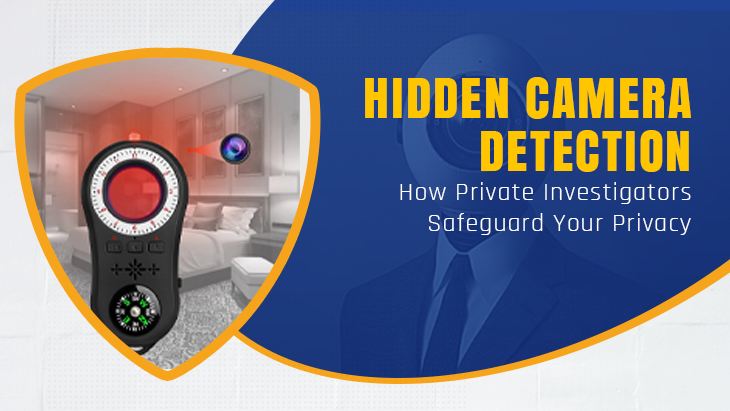
Hidden Cameras

They’re small enough to fit inside everyday objects—smoke detectors, USB chargers, clock radios. In hotels, rentals, and even offices, victims often discover cameras accidentally.

GPS Trackers on Vehicles

These devices can be magnetically attached under a car within seconds. Many victims first notice when they’re confronted with oddly specific information about where they’ve been.

Wi-Fi & Network Snooping

When your router is compromised or unfamiliar devices slip onto your network, it becomes surprisingly easy for someone to see what you’re browsing, grab your passwords, or even read your personal chats.

Social Engineering

Sometimes, the easiest way to spy is to simply ask the right questions. Fake profiles, imposters, and manipulative acquaintances extract personal details without raising suspicion.

Your safety deserves expertise. Connect with TSCM experts and take the first step toward real peace of mind.

How Stalkers Operate—And Why They’re Hard to Spot

Most stalking doesn’t start with threats. It starts with observation.

A stalker might monitor your online check-ins, track when you’re active on social platforms, or quietly gather information from mutual connections. Over time, the behavior escalates—from unwanted messages to physical surveillance.

Some red flags include:

  • Someone repeatedly showing up at places you didn’t publicly mention
  • Unwanted gifts, calls, or online interactions
  • A sudden pattern of your private information being known or “guessed”
  • Suspicious friend requests from strange accounts
  • Feeling like you’re being watched or followed

Trust your gut. People often sense something is wrong long before they can prove it.

Identity Theft: The Silent Threat Most People Ignore

Identity theft doesn’t show itself the way stalking or spying usually does. It just sits in the background, quietly piling up damage, and by the time you catch it, you’re staring at an empty account or some loan you never even heard of.

Common Triggers

A lot of identity theft cases start from really ordinary slip-ups. Maybe you’re using the same password everywhere, or you’ve connected to a public Wi-Fi network that wasn’t encrypted. Sometimes it’s clicking a phishing link that looked perfectly legit, or your old data leaking from a website you forgot you ever signed up for. Even a misplaced phone or laptop without a screen lock can open the door. And then there are those shady payment pages that look normal until they aren’t.

What most people don’t realize is that criminals don’t need your entire identity to cause damage. One small detail—an intercepted OTP, a leaked email password—can set off a chain of problems before you even know something’s wrong.

How to Actually Protect Yourself (Actionable Steps That Matter)

Here’s what experts recommend—not the usual generic advice, but the steps that genuinely reduce your risk.

1. Audit Your Digital Health

Do a quick personal security scan:

  • Check devices for unfamiliar apps
  • Review app permissions (especially camera, microphone, and location)
  • Update your phone’s OS and security patches
  • Log out of unused online services

Think of this as a yearly health checkup—except it’s for your digital life.

2. Secure Your Home and Personal Spaces

  • Change your Wi-Fi password every 3–6 months
  • Disable WPS pairing (it’s shockingly easy to exploit)
  • Use strong router passwords—not the default factory ones
  • Inspect bedrooms, living rooms, and offices for hidden devices if something feels “off”

If you suspect surveillance, a professional TSCM (bug sweeping) service is often the safest route—DIY methods miss more than they catch.

3. Guard Your Identity Like an Asset

  • Enable two-factor authentication everywhere
  • Use a password manager—stop memorizing multiple passwords
  • Freeze your credit score if your region supports it
  • Never share OTPs or verification links—not even with “official” callers

Small habits here prevent huge consequences later.

4. Set Boundaries on Social Media

You don’t need to disappear from the Internet—you just need to be intentional.

  • Avoid sharing real-time locations
  • Keep your contact number private
  • Stop posting photos that reveal home layouts
  • Limit your public audience—privacy settings exist for a reason

Your online life shouldn’t be an open book for strangers or opportunists.

5. Take Stalking Seriously

If you notice repeating patterns:

  • Keep a record of incidents
  • Inform a trusted friend
  • Strengthen home security (locks, cameras, lighting)
  • Block and report suspicious accounts
  • Seek professional help if the threat escalates

Stalking rarely stops on its own—it stops when boundaries are firmly enforced.

When You Should Call a Professional Investigator

Some situations require expert-level tools and trained eyes. Consider seeking professional help when:

  • You repeatedly find signs of surveillance
  • Your personal details leak without explanation
  • You feel watched or followed persistently
  • A conflict (divorce, business dispute, custody case) suddenly becomes invasive
  • You need a thorough technical sweep of your home, office, or vehicle

A skilled investigator can confirm whether a threat is real, identify the source, and help you build evidence if needed.

Final Thoughts: Privacy Isn’t Paranoia—It’s Protection

Feeling safe shouldn’t be a luxury. Whether you’re at home, working, or just scrolling online, you should have peace of mind. Yes, the world is noisier and more invasive than before, but you don’t have to let that take over your life. Staying aware and taking small protective steps can give you back a sense of control.

And if you ever reach a point where something just feels off, or you’re not sure what to do next, talking to a professional can really help. Sometimes a single conversation with someone who understands this world is enough to bring real clarity and peace of mind.

If something doesn’t feel right, don’t ignore it—reach out to Spy Detective Agency, the best detective agency in Delhi and let a professional help you get your privacy back.

Corporate Investigation Trends in Gurgaon | Fraud, POSH, Vendor & Digital Forensics Insights

Corporate Investigation Trends in Gurgaon

Walk into any office tower in Cyber City or Golf Course Road, and you’ll feel it immediately: Gurgaon (Gurugram, officially) runs on speed. Deals are fast, hiring is fast, growth is fast—and, unfortunately, so are the risks that come with that pace.

Over the last few years, corporate investigations in Gurgaon have quietly moved from “rare crisis” territory to something closer to routine business hygiene. Fraud probes, workplace misconduct inquiries, vendor due diligence, cyber-forensics reviews—what used to be exceptional is now part of the normal risk landscape for companies based here.

If you’re in HR, legal, finance, or a leadership role in Gurgaon, understanding how these investigations are changing isn’t just “nice to know.” It’s the difference between getting ahead of a problem and watching it explode in the media, in court, or on social platforms.

This article walks through the major corporate investigation trends shaping Gurgaon right now, why they’re emerging, and what you can practically do about them.

Why Gurgaon Has Become a Hotspot for Corporate Investigations

Before we zoom into the trends, it’s worth asking: why here?

Gurgaon is a perfect storm of risk and opportunity:

  • High-value sectors with sizable clusters include IT/ITeS, BPO, fintech, e-commerce, logistics, real estate, hospitality, and many Fortune 500 captives and Multinational Corporations. 
  • Fast scaling and high employee attrition: Rapid scaling combined with a predominantly younger workforce tends to foster weaker systems and greater scope for mistakes, or worse, malfeasance. 
  • Significant dependency on external entities: Subcontracting, vendors, channel partners, consultants, and external collaborators create a complicated, and sometimes opaque, ecosystem. 
  • Hybrid and remote working arrangements: Geographically dispersed teams and BYOD policies create challenges for monitoring, oversight, and the collection of evidence. 

Add to the mix a high volume of transactions, sensitive data, a global footprint, and strong competition, and the conditions are ripe for unintentional or deliberate misconduct to occur when preventive mechanisms are lacking.

That’s exactly what’s happening, and investigations are the visible response.

Digital & Cyber-Driven Investigations Are Now the Norm

A decade ago, many internal probes still started with paper trails and physical documents. In Gurgaon today, almost every serious investigation has a digital core.

What’s driving this?

  • Cloud-first operations: Most companies here run on SaaS tools—Slack, Teams, Google Workspace, M365, CRM platforms, HRIS systems. Misconduct leaves digital footprints across all of them.
  • Cybercrime involving corporate hubs: Phishing, data theft, account takeovers, ransomware, and exfiltration of trade secrets are no longer edge cases. Gurgaon’s dense concentration of high-value targets makes it attractive to organised groups and disgruntled insiders. 
  • Hybrid work and personal devices: When employees are working from home, or even on their own laptops and phones, the line between personal and corporate data becomes blurry… And that is challenging from a security perspective, and from the perspective of being able to in the future collect sound evidence that would stand in a court of law. 

How Investigations Are Conducted   

Modern corporate investigations in Gurgaon often intertwine: 

  • Email and chat analysis (Outlook, Gmail, Teams, Slack, WhatsApp for work) 
  • Endpoint forensics (laptops, phones, external drives) 
  • Access log reviews (VPN, SSO, cloud storage, admin activity) 
  • Social media and OSINT (open source intelligence to corroborate claims or to draw a relational map) 

The days of “We will just ask around to see what the situation is” are over. If a company wants to take matters to the court or use other legal avenues, digital forensics and a proper chain-of-custody will no longer be on a wish list. It is a must.

Practical takeaway: If you’re responsible for investigations, build early relationships with a digital forensics provider (or internal IT/security team) rather than scrambling the first time you need help. Agree in advance on how data will be preserved, reviewed, and documented.

Deeper Third-Party & Vendor Due Diligence

Gurgaon’s corporate machine runs on vendors—staffing agencies, logistics partners, resellers, managed service providers, marketing agencies, payment gateways, and more.

The flip side: a significant number of investigations now start outside the company’s direct payroll.

What’s changing?

  • Regulatory pressure: SEBI, RBI, and global regulators demand stronger oversight of third parties, especially for listed companies and regulated sectors like BFSI and fintech.
  • Fraud via vendors: Ghost employees, inflated invoices, kickback schemes, fake credentials, and conflicts of interest involving procurement or operations staff.
  • Reputational exposure: ESG and brand impact when a vendor is caught in labor violations, harassment cases, data breaches, or bribery.

Due diligence is becoming more forensic. 

  • Rather than a one-time review of a documents, organisations are moving to: More in-depth review of vendors and their key directors and shareholders 
  • More thorough reviews of potential financial red flags (e.g., sudden spikes in revenue, related-party transactions, tax avoidance) 
  • Operational site visits and assessments for critical vendors More, ongoing reviewing and monitoring, beyond just accessing onboarding checks 

Practical takeaway: If your organisation is working with critical vendors in Gurgaon, your organisation should calibrate your vendor onboarding and renewal process to be more risk-based in its due diligence. High-risk vendors should be more closely and thoroughly scrutinized. Not all vendors should be treated the same.

Workplace Misconduct & Culture-Based Investigations Are Rising

One of the most noticeable Gurgaon trends is the increase in workplace investigations tied to culture—harassment, discrimination, bullying, retaliation, and toxic leadership.

Several factors are converging:

  • Greater awareness of POSH and employee rights: Employees in Gurgaon are far more aware of their rights under the POSH Act and internal workplace policies, and more willing to speak up—internally or on social media.
  • Informal communication channels: Misconduct now often happens in semi-private spaces: WhatsApp groups, team chats, late-night calls, and offsite events. Evidence is there, but scattered and sensitive.
  • Pressure-cooker environments:  Aggressive targets, long working hours, and “winner-takes-all” sales cultures are occasionally taken too far into the domain of abusive managerial practices, which can lead to formal complaints. 

How these investigations are handled is changing

Companies are changing the way they address these complaints for the better. Companies are: 

  • More frequently Establishing independent Internal Committees (ICs) for POSH compliance
  • Bringing in External Investigators for sensitive and/or senior cases 
  • Training managers and IC members on neutral interview techniques and bias awareness
  • Exhausting documentation in anticipation of potential litigation or regulatory scrutiny 

Practical takeaway: If you are in HR or compliance, you should invest in having well designed and easily accessible reporting mechanisms and additionally you should ensure that employees have trust in the reporting mechanisms. The quality of your first response to a complaint is a strong indicator of whether a complaint will be resolved internally.

Whistleblower-Driven Investigations & ESG Pressures

Whistleblowing isn’t new, but its tone in Gurgaon has shifted. Allegations are increasingly framed not just as “fraud” or “misconduct,” but as ethics, governance, and ESG failures.

Why this matters now

  • Listed and global companies face stricter expectations under the Companies Act, SEBI LODR regulations, and foreign frameworks like the US FCPA and UK Bribery Act.
  • Whistleblower channels are maturing—some Gurgaon-based companies now use external hotlines or independent ombuds services.
  • Employees are more willing to go outside the company—to regulators, media, or LinkedIn—if they feel internal channels are compromised.

Investigations triggered by whistleblowers tend to be:

  • Complex and cross-functional (finance, procurement, HR, operations, legal)
  • Time-sensitive, because leaks are a real risk
  • Highly sensitive in terms of retaliation and confidentiality concerns

Practical takeaway: If your whistleblower process is essentially “email the CEO or HR head,” it’s time to upgrade. Consider anonymous reporting, clear protocols for triage, and safeguards to protect both the reporter and the integrity of the investigation.

Background Checks & Continuous Screening Are Tightening

With high churn and intense hiring in Gurgaon, poor vetting used to be common. That’s changing, largely because too many companies have been burned.

Typical triggers for investigations:

  • Senior hires with inflated or fake credentials
  • Employees hiding prior disciplinary issues or regulatory bans
  • Moonlighting or conflicts of interest involving competitors or vendors

In response, firms are:

  • Implementing robust pre-employment screening (education, employment history, criminal records where legally permissible, reference checks)
  • Conducting periodic checks for critical roles (finance, compliance, IT security, procurement, senior leadership)
  • Reviewing digital footprints where policy allows, especially for roles tied to brand, risk, or public-facing positions

Practical takeaway: Background checks shouldn’t be just a box-ticking exercise handed to the cheapest vendor. Decide what “high-risk role” means in your context and calibrate the depth of vetting accordingly.

Cross-Border & Multi-Jurisdictional Investigations

Gurgaon is deeply plugged into global operations. It’s common to see:

  • Shared service centers serving 10+ countries
  • Regional headquarters based out of Cyber City
  • Global policies colliding with local law and practice

What this means for investigations

  • Different legal standards and expectations: Data privacy (especially with the Digital Personal Data Protection Act, 2023), employment law, evidence admissibility, and interview protocols vary by jurisdiction.
  • Multiple stakeholders: Global legal teams, local HR, external counsel in India and overseas, board committees, and sometimes auditors.
  • Coordination challenges: Aligning scope, timelines, and documentation so the investigation stands up to scrutiny in more than one country.

Practical takeaway: If you’re part of a multinational with operations in Gurgaon, make sure your global investigations framework explicitly addresses Indian legal and cultural nuances. Don’t copy-paste a US or EU process and assume it will hold here.

📍 Operating in Mumbai? Strengthen your organisation with trusted corporate investigations. Explore our Detective Agency in Mumbai for fraud checks, due diligence & workplace inquiries.

Analytics and AI Are Entering the Investigation Toolkit

While still evolving, there’s a clear move towards using data analytics and AI-assisted tools in Gurgaon-based investigations.

You’ll see:

  • Keyword-based and concept-based email review rather than manual inbox trawling
  • Pattern analysis in expense claims, vendor payments, and payroll for fraud red flags
  • Clustering and timeline tools to reconstruct events from scattered data points

Important nuance: these tools do not replace experienced investigators. They speed up review and surface patterns, but judgment—especially on intent, context, and fairness—still depends on human expertise.

Practical takeaway: If your organisation handles large volumes of data in internal investigations, consider investing in or accessing e-discovery / review platforms. They’re no longer just for big litigation firms.

How Gurgaon Companies Are Evolving Their Investigation Approach

Across sectors, a few shifts are visible in how companies here handle corporate investigations.

1. Moving from ad-hoc to structured processes

Instead of scrambling each time:

  • Many firms now have documented investigation policies covering scope, governance, timelines, and reporting lines.
  • There’s more clarity on who leads what (HR vs. legal vs. compliance vs. external counsel) depending on the allegation.

2. Separating fact-finding from decision-making

To minimise bias and conflicts of interest:

  • Fact-finding is increasingly handled by an independent investigator or team.
  • Disciplinary or remedial decisions are taken by a separate panel or leadership group, based on that report.

3. Investing in training and awareness

HRBPs, line managers, IC members, and even investigators are getting:

  • Interview skills training
  • Guidance on handling trauma, sensitive complaints, and retaliation claims
  • Basic exposure to digital evidence and documentation standards

Practical takeaway:
If your investigations rely heavily on “whoever is available” with no training, that’s a vulnerability. One poorly run investigation can cause more damage than the original incident.

Common Mistakes in Corporate Investigations (Especially Visible in Gurgaon)

Certain missteps crop up again and again:

  • Jumping straight to conclusions: Acting on rumours or one person’s narrative without a structured fact-finding process.
  • Using unofficial channels: Running inquiries over WhatsApp or personal email, leaving no defensible record and risking data leaks.
  • Letting the accused or interested parties influence the process: Allowing reporting lines, friendships, or seniority to skew who is interviewed, what’s asked, or what gets recorded.
  • Ignoring the digital trail: Failing to preserve or review emails, chats, logs, and devices early, so key evidence is overwritten, deleted, or challenged later.
  • Poor communication with stakeholders: Either saying too little, creating suspicion and gossip, or saying too much, exposing the company to defamation or privacy issues.

Practical takeaway: If you recognise some of these in your own organisation, start small: formalise your intake and triage process, and put basic guardrails around who leads investigations and how evidence is handled.

Choosing a Corporate Investigation Partner in Gurgaon

Not every matter needs an external investigator, but many do—especially where senior people are involved, conflicts exist, or technical forensics are required.

When evaluating an investigation firm or consultant a leding detective agency in Gurgaon, look beyond glossy brochures. Consider:

  • Local + sector experience
    Have they handled cases in your industry and in the NCR context, not just generic “corporate” work?
  • Legal alignment
    Do they understand Indian law (Companies Act, POSH, DPDP Act, labour laws) and, if relevant, global regimes like FCPA/UK Bribery Act?
  • Digital forensics capability
    Can they handle device imaging, email reviews, and secure data handling themselves or via trusted partners?
  • Independence and conflict management
    Will they push back if management tries to steer the outcome? How do they document and defend their work?
  • Reporting quality
    Ask to see sample (anonymised) reports. Are they clear, factual, and structured, or vague narratives that won’t stand scrutiny?

Practical takeaway:
A good investigation partner should make you slightly uncomfortable—in the sense that they’re willing to tell you what you don’t want to hear, backed by evidence and sound reasoning.

Conclusion

Corporate investigation trends in Gurgaon reflect the city itself: fast-moving, high-stakes, and increasingly sophisticated.

Digital forensics, deeper vendor scrutiny, culture-focused probes, whistleblower-led investigations, cross-border complexities, and data-driven tools are no longer fringe concerns. They’re the new normal for companies that operate in and around this hub.

If you’re responsible for people, money, data, or reputation in a Gurgaon-based organisation, a practical next step is to quietly assess where you stand:

  • Do you have clear, trusted channels for reporting concerns?
  • Is there a documented, fair, and defensible investigation framework?
  • Are your teams trained and your external partners identified before a crisis hits?
  • Can you preserve and review digital evidence quickly and properly?

You don’t need to transform everything overnight. Start with one area—whistleblower handling, POSH investigations, or vendor due diligence—and strengthen it. Most mature investigation frameworks in Gurgaon didn’t appear in a quarter; they were built case by case, lesson by lesson.

If the patterns you’re seeing inside your company are starting to worry you, that’s usually the right time to act—not when the first notice from a regulator or the first media query lands in your inbox.

From vendor fraud to POSH inquiries, get complete NCR-wide support with our expert Detective Agency in Delhi.

Missing Person in India: What To Do Step-by-Step Guide

Missing Person in India

When a loved one doesn’t come home, the minutes feel unusually loud. Your phone screen lights up every few seconds, but it’s never the message you want. Many PI’s worked missing-person cases across Mumbai, Delhi, and smaller towns in Maharashtra, Punjab, and Karnataka. The pattern is always the same: families swing between panic and paralysis during the most crucial window—the first 24–72 hours.

This guide is meant to steady that window. You’ll find what to do immediately, how to work with the police, where a private detective genuinely helps, and how to manage the process without burning out. Keep this open, take a breath, and move step by step.

First Hour, First Steps: Act Fast, Stay Organized

Two truths can live together: urgency helps, and clarity saves time.

  • Call and text, then stop spamming. Check WhatsApp “last seen,” recent statuses, email auto-replies.
  • Try “Find My” (iPhone) or Google’s “Find My Device” if you have access. Don’t remotely erase anything yet.
  • Call 112 if there’s any sign of danger, violence, or a child is missing. Don’t wait.
  • Check with immediate contacts: spouse/partner, best friend, roommates, manager/teacher, security guard, driver, and close neighbors.
  • Visit the last known location quickly. Ask shopkeepers, taxi/auto stands, society watchmen. Note who you spoke to and the time.
  • Contact nearby hospitals and casualty wards. Ask about “unknown patient” entries and medico-legal cases (MLCs). If you have the FIR/complaint number later, share it.
  • Secure phones, laptops, diaries, and backpacks. Do not unlock with guesswork or third-party “hackers.” You might destroy valuable evidence.

There is no waiting period to file a police report in India. If a child is missing, it’s an immediate FIR. For adults, file a missing person report at once.


File a Police Report—Now, Not Tomorrow

Don’t delay the paperwork. It unlocks resources you can’t get any other way.

  • Go to the nearest police station and file a missing person report. If the disappearance involves a minor, the police must register an FIR and treat it as a cognizable offense per Supreme Court guidelines.
  • If jurisdiction is unclear or you’re out of town, file a Zero FIR at any police station; it can be transferred to the correct station.
  • Insist on a Daily Diary (DD/GD) entry or FIR acknowledgment. Keep copies—physical and digital.
  • Ask for the investigating officer’s name, rank, mobile number, and the station’s landline. Save them as favorites.

What to carry to the police station

  • A recent, clear photo (print + soft copy). If possible, several angles.
  • Physical description: height, build, complexion, hair, glasses, tattoos/scars/birthmarks.
  • Last seen time and location, last worn clothing.
  • Phone number, alternate number, IMEI (from phone box/bill), email address.
  • Vehicle details: registration number, model, color, FASTag info.
  • Bank account numbers (last 4 digits), UPI IDs, and card suffixes for quick queries.
  • Known medical conditions (e.g., diabetes, epilepsy), medications, mental health notes.
  • List of friends, colleagues, and routine stops (gym, tuition, temple, café, PG).

Useful helplines and portals

  • 112: Emergency Response Support System (national)
  • 1098: Childline (for missing children)
  • 1091/181: Women’s helpline (varies by state)
  • TrackChild & Khoya-Paya: trackchild.gov.in
  • State police portals: many allow online missing person entries
  • Cybercrime (in case of online extortion): cybercrime.gov.in or 1930

Pro tip: Once the report is filed, ask the station to circulate the photograph to beat constables, PCR vans, and control room. This simple step gets eyes on the ground quickly.

Secure the Digital Trail (Legally and Wisely)

Most cases break because of one solid clue in the timeline—an ATM withdrawal, a ride-share receipt, a metro swipe, or a tiny detail in Google Maps Timeline.

  • Check “Find My” apps if you have legitimate access.
  • Review bank SMS alerts, UPI transactions, and wallet activity. Keep screenshots.
  • Look at Google Maps Timeline or Apple Maps Recents (if enabled).
  • Check ride apps (Uber/Ola), food apps (Swiggy/Zomato), metro cards, and FASTag statements.
  • Review recent emails, shared calendars, and travel bookings.
  • Preserve social media DMs—but don’t publicly accuse or shame anyone.

Important boundaries:

  • Only law enforcement can legally pull call detail records (CDRs), tower dumps, or bank statements without consent/court orders. If anyone promises these “instantly,” walk away.
  • Don’t log into accounts you do not have consent for. Don’t use “unlocking” services. Preserve, don’t tamper.

Build the Timeline: Reconstruct the Last 24–72 Hours

A clean timeline stops wild goose chases.

  • Create a simple log: date, time, event, source, and action taken. A notebook or a shared Google Sheet is fine.
  • Collect CCTV fast. Many shops overwrite footage in 48–72 hours. Note camera angles and time offsets (many DVR clocks drift).
  • Ask for copies politely; some shopkeepers allow a pen drive copy. If not, request the police seize and seal it.
  • Interview without leading. “When did you last see him? What was he wearing? Did he say where he was going?”

How this works in the field

  • Case snippet 1: A 19-year-old student in Pune “vanished” after class. A tiny detail in a bhel-wala’s routine (he starts at 4:30 pm; our subject bought at 4:45) nudged us to a different lane’s CCTV. That led to an auto ride to a mela ground. He’d gone to meet friends he’d hidden from family. Located safe within 18 hours.
  • Case snippet 2: A 63-year-old with early dementia left home before sunrise in Ludhiana. He was found near a gurdwara 12 km away, guided by childhood memory routes. Untidy footwear marks near the gate and a bus pass we almost ignored were the keys.

Small details matter. Note them; don’t obsess over them. Keep moving.

Posters and Going Public—Do It Smartly

Going public helps, but do it with intention.

What a good missing person poster includes:

  • Clear, recent photo (no filters), face centered
  • Name, age, height, clothing last worn
  • Last seen time and location
  • FIR/DD number and police station (adds credibility)
  • Two contact numbers: one family, one trusted friend
  • Language: English + local language
  • Reward (optional). If you announce one, keep it modest to deter scammers.

Where to share:

  • Local WhatsApp groups (RWAs, societies, building groups) with one designated family admin to manage replies
  • Gurudwaras, temples, mosques, churches, community boards
  • Metro stations, bus depots, auto stands
  • Popular tea stalls, Xerox shops, chemists, clinics
  • Local cable news tickers; short, factual announcements work

Caution:

  • Scammers may demand money or claim to be cops. Never pay. Loop in the IO (investigating officer).
  • Don’t overshare personal documents (Aadhaar, PAN, full address) on posters or social media.

Where a Private Detective Actually Helps

A good private investigator is not a magician. They’re more like air-traffic control: they bring structure, speed, and disciplined ground work.

What PI do well:

  • Reconstruct the timeline with interviews, route analysis, and neighborhood sweeps
  • Retrieve and index CCTV systematically before it’s overwritten
  • Triage leads so the family and police aren’t chasing duplicates
  • Conduct discreet inquiries at workplaces, hostels, PGs, and tuition centers
  • OSINT (open-source intelligence): relevant, ethical online checks
  • Coordinate volunteers and manage a search grid with heat maps
  • Assist with liaison—ensuring the right information reaches the right officer

What PI do not do:

  • We do not access CDRs or bank data illegally
  • We do not “hack” devices
  • We do not stage evidence or confront suspects

Deliverables you should expect:

  • Daily activity and lead logs
  • A timeline map with corroborated touchpoints
  • A neat “evidence pack” (photos, videos, statements) that a police officer can act on
  • Clear next steps and reasons behind them

Choosing the right investigator in India

  • Ask for firm registration, GST (if applicable), and a written contract
  • Look for membership in professional bodies (e.g., APDI) and verifiable references
  • Demand methodology, reporting frequency, and scope (hours, team size, locations)
  • Avoid anyone offering “CDRs by evening” or promising guaranteed results
  • Clarify fees, expenses (fuel, printing, data), and a cap. Get it in writing.
  • Prefer teams with local language skills and the ability to work late-night if needed

If you need structured, on-ground support fast, hire a trusted private detective agency in Mumbai like Spy Detective Agency to steady the search.

Special Situations You Should Handle Differently

Missing child (under 18)

  • Immediate FIR. Use TrackChild/Khoya-Paya. Inform Childline 1098.
  • Push for CCTV pulls around schools, parks, tuition centers, bus routes.
  • Ask the IO to issue a Look-Out Circular (LOC) if interstate movement is suspected.

Domestic violence or fear-based disappearance

  • Safety first. If a woman or LGBTQ+ individual is hiding for safety, bring a counselor or lawyer into the loop.
  • Don’t publicize exact locations if you do find them. Prioritize choice and consent.

Mental health, dementia, or medical risk

  • Share medical info with the police in confidence.
  • Check religious/community spaces aligned with old routines.
  • Alert pharmacies and nursing homes nearby.
  • If found, arrange a non-confrontational return and a medical evaluation.

Suspected abduction/trafficking

  • Treat as a cognizable offense. Escalate to senior officers if response is slow.
  • Check transit hubs quickly: stations, bus depots, interstate taxis.
  • Preserve any communication related to ransom/extortion. Inform police before responding.

Out-of-town travel or transit

  • Verify tickets, PNRs, bus bookings, rideshares, hotel check-ins.
  • Ask police to alert GRP/RPF (railways) if train travel is likely.

What Not to Do (Even If You’re Desperate)

  • Don’t wait “24 hours” to file a report—this is a myth.
  • Don’t blast accusations on social media. You’ll scare off witnesses.
  • Don’t tamper with devices or erase chat histories.
  • Don’t pay anyone who promises miracles. Involve the IO if ransom is demanded.
  • Don’t share sensitive IDs publicly. Protect your family’s privacy.

Build a Family Response Cell

Think of it as your war room. It reduces chaos and duplicates.

  • Appoint a coordinator: one person speaks to the police and key leads
  • Create a central log (Google Sheet/Notebook). Every lead goes here first.
  • Rotate shifts. Even an hour’s nap improves decisions.
  • Set up a single email/phone for all poster responses
  • Keep two pen drives ready for CCTV copies and a simple file structure by date and location

Timelines, Expectations, and Cost

Most cases pivot on early momentum. The first 48 hours are where disciplined action wins:

  • Day 1: Police report, hospital checks, initial CCTV, posters in key nodes, immediate contacts
  • Day 2: Route analysis, extended CCTV, workplace/college inquiries, transit checks
  • Day 3: Wider radius, media if needed, cross-city alerts, refine working hypotheses

About fees: Rates vary widely by city, complexity, number of locations, and whether night operations are required. Ask for a written estimate, reporting commitments, and a cap on incidental expenses. Results can’t be guaranteed—but a structured plan greatly improves the odds.

When Your Loved One Is Found

Relief comes with logistics. Handle it gently.

  • Medical check: dehydration, injuries, infections, and a mental health screen
  • Avoid immediate confrontation or blame—shock can look like defiance
  • Update the police, withdraw posters, and correct public posts to protect privacy
  • Thank volunteers and neighbors; it keeps community goodwill alive
  • Debrief as a family: what worked, what to change, who needs support

A Few Grounded Tips From the Field

  • Always carry two recent photos on your phone and in your wallet
  • Keep IMEI numbers and key documents scanned in a cloud folder you control
  • Set family phones to share locations with consent, at least temporarily
  • Teach elders and teens to memorise two emergency numbers from the family
  • In apartment complexes, get to know the night guards. They see more than cameras do.

Q. How soon should I file a missing person report in India?
Immediately. For children an FIR is mandatory; adults can also be reported right away and a Zero FIR may be filed at any station.

Q. Can a private detective access my loved one’s phone or bank details?
No. Only police or courts can legally obtain CDRs/bank records. Private investigators can collect public/consensual evidence and help reconstruct timelines.

Q. What information should I carry to the police station?
Recent photos, physical description, last seen time/place, IMEI (if available), vehicle details, medical conditions, and a list of contacts.

Q. Are posters and social media safe to use?
Yes, if you avoid sharing sensitive documents (Aadhaar/PAN), keep the language factual, and include the FIR for credibility.

Q. What if my missing family member has mental health issues or dementia?
Inform the police immediately, check local religious/community spaces and pharmacies, and prioritize safe, non-confrontational reunions with medical assessment.

Conclusion

When someone goes missing, the situation feels chaotic, unfair, and painfully slow — but the steps you take in those early hours can bring remarkable clarity. You don’t need to solve everything at once; you just need to move with structure, protect the evidence, and keep the process organised. Police, community members, and a disciplined investigator can all become part of the same effort when the information flows cleanly.

If you’re facing this right now, remember: you’re not alone, and you’re not powerless. A clear plan, steady coordination, and ethical, focused search work can dramatically shift the outcome in your favour. And if you ever feel overwhelmed or unsure of the next step, reach out a seasoned missing-person investigator—like Spy Detective Agency the best detective agency in Delhi —can steady the search and add structure when it matters most.

Corporate Fraud Detection in India | How Private Detectives Protect Businesses

Corporate Fraud Detection in India

When fraud hits, it rarely announces itself. It shows up as unexplained spend, mysterious “round” invoices, a stock variance that never quite ties out, or a vendor who can’t be found at their listed address. At that point, you don’t just need suspicion—you need facts. Private detectives (working hand‑in‑hand with legal, finance, and internal audit) give companies a fast, discreet way to confirm 

Why Fraud Risk is Higher Now

  • Hybrid work and weak segregation of duties: Remote approvals, rushed processes, and “temporary” workarounds that never went away.
  • Complex supply chains: More vendors, more drop‑ships, more places to hide margin or duplicate services.
  • Digital payments and BEC scams: Faster rails mean money moves before anyone blinks.
  • Insider‑outsider collusion: Kickbacks, ghost vendors, padded invoices, “friendly” inspections.
  • Talent churn: Handovers missed, access left open, policy drift.

What Private Detectives Actually Do (And Why It Works)

Think of detectives as your field‑tested fact‑finders who complement auditors and lawyers.

  • Evidence‑first approach
    • Preserve what matters: emails, devices (with forensics partners as needed), CCTV pulls, delivery logs, and vendor files.
    • Chain‑of‑custody so your counsel can use it.
  • On‑the‑ground validation
    • Site visits to “vendors,” warehouse walk‑throughs, route checks, and discreet interviews.
    • Lifestyle audits (lawful) when kickbacks or unexplained wealth are suspected.
  • OSINT and records
    • Corporate registries, litigation databases, sanctions/adverse media, beneficial ownership trails.
  • Targeted surveillance (where lawful)
    • Short, focused observation to verify patterns—not TV‑style stings.
  • Coordination
    • Work with legal, compliance, internal audit, and insurers to ensure any recovery or claims stand up.

Common Corporate Fraud Types and the Red Flags

Fraud typeRed flags you’ll noticeHow detectives add valueLikely outcome
Procurement kickbacksSame vendor always wins, vague SoWs, split POs just under approval limits, lifestyle jumpsVendor site checks, pricing benchmarks, links between vendor and staff, timeline of favorsConflicts proven, vendors rotated/removed, policy fixes
Ghost vendors/duplicate vendorsSimilar names/addresses, round‑figure invoices, PO without GRN, bounced phone numbersRegistry checks, doorstep validation, bank/KYC anomalies, IP/device overlaps (with forensics)Fake vendors closed, recovery pursued
Inventory shrinkageChronic variance, “damaged” stock with poor documentation, odd after‑hours movementsCovert observation, route shadowing, CCTV review, weighbridge/log reconciliationTheft ring disrupted, controls tightened
Expense/petty cash abuseRepeats near limits, weekend/holiday claims, hand‑written bills, “lost receipt” patternMerchant checks, geo/time verification, pattern analysis with interviewsRepayment + HR action, policy changes
Payroll/ghost employeesHigh OT in one unit, no HR records, same bank/phone reusedAddress checks, in‑person verification, bank/ID cross‑checks (with consent/legal basis)Cleanup of payroll, duty roster redesign
IP leakage/counterfeitComplaints spike, look‑alike products in market, sales dip in certain regionsMarket sweeps, mystery shopping, supply‑chain tracing, TSCM if leaks suspectedTakedowns, criminal referrals, distributor changes
Business email compromise (BEC)Sudden bank detail changes via email, urgency to pay, domain look‑alikesHeader analysis, domain forensics (with specialists), process auditFunds hold/recovery attempts, SOP hardening

🔐 Looking for Professional Detective agency in Mumbai for Business Fraud? Expose hidden risks before they cost you.

How a Professional Fraud Investigation Work (Step‑by‑Step)

Intake, legal framing, and hold

  • Private briefing with your executive sponsor and counsel.
  • Litigation hold and access controls: freeze relevant email/file shares, badge logs, CCTV retention.

Plan and OPSEC

  • Written scope: targets, timelines, reporting cadence, and guardrails.
  • Discreet approach to avoid tipping suspects; need‑to‑know communications.

Evidence preservation and data review

  • Pull vendor masters, PO/GRN/Invoice trails, payment files, card statements.
  • With digital forensics partners (as needed): defensible device imaging, email header analysis, log pulls.

Fieldwork and validation

  • Vendor site visits, warehouse checks, route shadows, spot counts, and third‑party verifications.
  • Short‑burst surveillance (where lawful) to confirm behavior, not entrap.

Interviews (PEACE model)

  • Planning, Engage/Explain, Account, Closure, Evaluation—structured, non‑coercive, and documented.

Synthesis and reporting

  • Timeline with facts: who, what, when, amounts, and method.
  • Annexures: photos, site notes, registry extracts, logs.
  • Recovery options: civil/criminal pathways, insurer notifications, HR actions, and control fixes.

Handoff and remediation

  • Briefing to counsel, compliance, and the board.
  • Support for law enforcement engagement where appropriate.
  • Implementation support: vendor cleanup, process redesign, training.

Legal and Ethical Boundaries

A good investigation protects your case by staying squarely within the law.

  • No hacking, illegal interception, or “CDR” procurement.
  • Respect privacy and employment laws; follow your jurisdiction’s data protection rules (e.g., DPDP Act 2023 in India).
  • Anti‑bribery: investigations will not involve bribes or inducements (FCPA/UKBA awareness).
  • Documentation that meets evidence standards; counsel involvement from day one.

⚖️ Looking for a Reliable Investigation Agency in Chandigarh? Stay compliant, secure, and one step ahead of deception.

Case Snapshots (Anonymized)

The “vendor in a suitcase”
A mid‑sized manufacturer paid a maintenance vendor ~₹1.8 crore over 18 months. Site checks found a co‑working address, no inventory, and “technicians” who were actually subcontracted at 40% of invoice value. Registry and social links connected the vendor’s director to a plant supervisor’s cousin. Result: vendor terminated, supervisor exited, ~₹52 lakh recovered, controls updated (competitive bids, vendor KYC, three‑way match).

Shrink that wouldn’t quit
Retail DC variance hovered at 2.4% despite audits. Detectives mapped overnight forklift movement and compared to CCTV blind spots. A short, lawful observation run identified a team colluding at the dock. Outcome: ring removed, cameras and weighbridge SOPs fixed, variance dropped below 0.7% in 90 days.

“Urgent” payment change
AP received an email “from” a global supplier to switch bank accounts. Header analysis showed a look‑alike domain; detectives and IT froze payment, contacted the real supplier, and alerted the bank. Funds never left. AP process updated: dual verification and call‑back on verified numbers for any bank changes.

Prevention After Detection: Controls That Work

  • Vendor governance
    • Clean the vendor master; verify addresses and ownership; avoid look‑alike names.
    • Competitive bids for thresholds; rotate evaluators; disclose and log conflicts.
  • Purchase‑to‑pay discipline
    • Three‑way match (PO‑GRN‑Invoice), spend analytics, duplicate invoice checks.
    • Clear SoWs and measurable deliverables.
  • Segregation of duties and vacations
    • Rotate roles; enforce mandatory leave in sensitive functions; secondary approvers.
  • Whistleblower hotline
    • Anonymous, third‑party operated, with transparent follow‑ups and non‑retaliation.
  • Access and logging
    • Remove dormant accounts; limit export rights; review unusual logins/downloads.
  • Training and simulations
    • BEC/phishing drills; fraud awareness for managers; “how to escalate” playbooks.
  • Board‑level visibility
    • Quarterly fraud risk review; incidents and learnings; KPI dashboard (losses prevented, recoveries, hotline volume).

Costs, Timelines, and Deliverables

  • Timelines
    • Focused procurement or expense probes: 1–3 weeks
    • Multi‑site inventory/shrink investigations: 3–6 weeks
    • Complex collusion/financial statement concerns: phased over 6–10 weeks
  • Pricing
    • Fixed fee for scoped tasks (vendor validation sweep, BEC/header analysis)
    • Day‑rate/retainer for open‑ended or multi‑city investigations
    • Separate quotes for digital forensics or TSCM if required
  • Deliverables
    • Executive summary, detailed timeline, quantification of loss/exposure
    • Evidence annexures (photos, logs, registry extracts), chain‑of‑custody
    • Recovery and remediation plan, with control recommendations and a board slide deck if needed

How to Choose the Right Investigation Partner

Choosing the right corporate investigation partner can make the difference between quiet recovery and public crisis. Look for a team that combines field intelligence with compliance-grade documentation.

  • Law‑aware and ethical
    • Clear “won’t do” list (no hacking, no illegal data). Counsel‑friendly methods.
  • Demonstrated capability
    • Corporate fraud experience, multi‑city reach, links to forensics and TSCM specialists.
  • Process and reporting
    • Written scope, OPSEC plan, update cadence, and sample redacted report.
  • Independence
    • No conflict of interest with key vendors or staff; no “kickback” culture.
  • References and discretion
    • NDAs, code‑named projects, and board‑level references under NDA.

Myths vs Reality

  • Myth: “An internal audit is enough by itself.”
    Reality: Audits are vital, but field validation and discreet observation often surface what the spreadsheets can’t.
  • Myth: “We’ll confront the suspect and get the truth.”
    Reality: That risks spoliation and retaliation. Preserve evidence first, then proceed with counsel.
  • Myth: “Surveillance will catch everything on camera.”
    Reality: Most cases are solved by patterns—documents, site checks, and interviews—supported by targeted observation.
  • Myth: “If we find fraud, we must go public.”
    Reality: Options include internal resolution, civil recovery, insurer claims, and criminal referral. Your counsel will guide strategy.

FAQs

Q. What should we do the moment we suspect fraud?
Preserve first, investigate second. Freeze relevant data (emails, logs, CCTV), restrict access quietly, alert counsel, and engage an investigator under privilege. Avoid confrontations or mass emails.

Q. Is hiring a private detective legal for corporate cases?
Yes—when methods are lawful and documented. A reputable firm coordinates with your legal team and follows evidence standards.

Q. Will employees find out there’s an investigation?
Work proceeds on a need‑to‑know basis with discreet site work. Some stakeholders will know; the broader staff typically won’t—unless HR or legal steps require disclosure.

Q. Can you recover losses?
Sometimes—via civil recovery, supplier offsets, insurance claims, or criminal restitution. The first step is proving what happened and quantifying it.

Q. Do detectives do digital forensics?
They coordinate with accredited forensic partners for device imaging, email/header analysis, and logs—so evidence stands up to scrutiny.

Q. When do we involve police?
Your counsel will advise. In many cases, companies complete an internal investigation first, then refer with a well‑documented brief to speed action.

Conclusion: Building Corporate Resilience Through Truth and Vigilance

Corporate fraud doesn’t announce itself — it hides behind trusted names, familiar emails, and polished reports. But every deception leaves a trace, and that’s where professional investigators make the difference.

By integrating intelligence-led investigation with legal and forensic precision, private detectives empower companies to uncover hidden risks before they escalate into financial or reputational crises. Whether it’s a vendor scam, internal kickback, or falsified audit trail, each discovery strengthens the organization’s compliance framework and corporate integrity.

In today’s business landscape, fraud prevention is not a reactive measure — it’s a strategic advantage. Partnering with a trusted corporate investigation agency ensures that your company’s decisions are based on verified truth, not assumption.

Because when it comes to protecting reputation, compliance, and shareholder trust — transparency is the strongest defense.

👁️ Looking for Expert Corporate Detective agency in Delhi? Detect fraud. Defend your brand.

🕵️ Suspect Vendor Collusion or Financial leakage?

If something doesn’t add up—unusual invoices, missing stock, “urgent” payment changes—talk to a professional before it escalates. We’ll scope a lawful, discreet plan, preserve what matters, and help you stop the loss and strengthen your controls.

Divorce Investigations In India | Lawful & Court-Ready Evidence For Family Cases

Divorce Investigations In India

When a marriage breaks down, emotions run high. Courts don’t rule on emotions—they rule on facts. A well‑planned, lawful divorce investigation helps you move from suspicions to evidence: clear timelines, corroborated findings, and documentation your counsel can use with confidence. If you’re weighing custody, maintenance, or property issues, this guide explains what a professional investigation can (and cannot) do, how evidence is collected ethically, and how to choose the right team.

What a Divorce Investigation can Cover (Lawfully)

Every case is different, but common workstreams include:

  • Child welfare and custody
    • Daily routine, school attendance, caregiver reliability, living conditions, exposure to conflict or harmful environments, and substance misuse risk (observational, third‑party checks).
  • Lifestyle and conduct (including suspected infidelity)
    • Lawful, discreet observation to document patterns like cohabitation, regular overnight stays, or conduct relevant to alimony/maintenance claims. Direct “gotcha” moments are rare; consistent timelines matter more.
  • Financial and asset verification
    • Public‑domain and lawful records of businesses, directorships, properties, vehicles; signs of concealment or under‑reporting routed through counsel for disclosure or court orders as needed.
  • Digital footprints (OSINT—not hacking)
    • Social profiles, public posts, event tags, geotag clues in public photos; preservation of public content with timestamps and context.
  • Harassment, threats, or abuse documentation
    • Medical records (via you/your counsel), police entries, protection orders, and lawful documentation of messages received.
  • Substance use patterns
    • Observations and third‑party inputs that may affect custody or safety; toxicology only through lawful medical processes when courts order.

Important Legal and Ethical Lines

Good investigators work inside the law. That protects you and your case.

  • No illegal interception (calls, messages), no “call detail records,” no hacking
  • No planting devices, no unlawful audio/video recording in private spaces
  • Respect privacy rights (e.g., Puttaswamy judgment) and data protection obligations (DPDP Act 2023 in India)
  • Evidence handled to Indian Evidence Act standards (or your jurisdiction’s rules)
  • Use your lawyer for discovery/subpoenas—not shortcuts

If an “agency” offers hacked data or secret recordings from private spaces, walk away. It’s illegal, risky, and likely inadmissible.

👉 Looking for a trusted pre matrimonial investigation agency in India? Get discreet, evidence-based reports before or after marriage.

How a Professional Divorce Investigation Works

Private intake and goal‑setting

  • You share the issues (custody, maintenance, property, conduct). The investigator listens, clarifies objectives, and flags legal sensitivities.

Plan and risk controls

  • Written scope: what will be done, where, when, and how often. Clear boundaries, safety plans, and who gets updates. Coordination with your counsel from day one.

Collection (discreet and proportionate)

  • Field observation in public spaces, site visits, neighbor/reference checks, OSINT, and lawful record pulls. If technical work (e.g., hidden camera checks) is relevant, it’s scoped and handled by a TSCM specialist.

Verification

  • Triangulate findings across independent sources. Align with dates, locations, and publicly available records. Keep a timeline.

Reporting you can use

  • Decision‑grade write‑up: executive summary, methods used, findings with dates and times, photos (where lawful), annexures, and recommendations on next legal steps.

Testimony and handoff

  • If required, the investigator can brief counsel and testify. Evidence is stored with chain‑of‑custody.

What “Winning” Looks Like in Family Court

Family courts typically value:

  • Patterns over isolated incidents (e.g., repeated late‑night drop‑offs, consistent cohabitation)
  • Neutral corroboration (school records, third‑party logs, hotel billing in the party’s own name, publicly visible check‑ins)
  • Child‑focused documentation (stable routine, safe environment, supportive caregivers)
  • Transparent financial pictures (no surprise businesses or properties discovered at the eleventh hour)

They typically discount:

  • Anonymous screenshots with no provenance
  • Illegally obtained recordings or hacked information
  • Sensational claims without dates, witnesses, or context

Costs, Timelines, and Deliverables

  • Timelines
    • Focused verification (e.g., two or three key dates): 1–2 weeks
    • Custody‑oriented routine checks: 2–6 weeks to establish patterns
    • Asset and financial mapping (public records + counsel‑led discovery): staged over weeks
  • Pricing
    • Fixed fee for defined tasks (school run checks, address verification, targeted observations)
    • Day‑rate/retainer for open‑ended or multi‑city work
    • Add‑ons for specialist inputs (TSCM, digital forensics via consent/court order)
  • Deliverables
    • Written report with summary and detailed timeline
    • Photographs/video captured in public settings where lawful
    • Copies of public records/links, interview notes, and a list of sources
    • Chain‑of‑custody logs when evidence may go to court

When to Consider Hiring an Investigator

  • Before filing: To move from suspicion to clarity and plan your legal strategy
  • During litigation: To document current patterns (custody, support, lifestyle) and support interim applications
  • After orders: To check compliance (relocation, cohabitation, supervision conditions)

Client Preparation: How You can Help Your Own Case

  • Build a calm timeline: dates, places, names, and why each event matters
  • Gather what’s yours to share: your financial records, messages sent to you, public posts—nothing covert or hacked
  • Screenshots with context: include URL, date/time, and where the content was found publicly
  • Keep it discreet: don’t confront the other party or post about the case online
  • Coordinate through counsel: they’ll ensure evidence gathering aligns with legal strategy
  • Take care of yourself: legal processes are stressful; lean on support systems

👉 Looking for expert TSCM and bug sweeping services in Delhi? Detect hidden cameras and protect your privacy during divorce proceedings.

How to Choose the Right Investigator

  • Law‑aware and ethical
    • Can they explain—in plain English—what’s legal and what’s not in your state/country?
  • Process you can trust
    • Written scope, update cadence, safety/OPSEC plan, data retention policy
  • Court‑ready reporting
    • Ask for a redacted sample report; look for clear timelines and sources
  • Credentials and reach
    • Experience in family cases, multi‑city coverage, access to specialists (TSCM, forensics) when needed
  • References and confidentiality
    • Willing to sign NDAs, operate on a need‑to‑know basis, and share references under NDA

Myths vs reality

  • Myth: “One photograph will decide the case.”
    Reality: Courts look for patterns, corroboration, and context.
  • Myth: “Investigators can legally record anything.”
    Reality: Secret recordings in private spaces are often illegal and inadmissible. Know your jurisdiction’s consent rules.
  • Myth: “A PI can get call records or hack accounts.”
    Reality: Both are illegal. Credible investigators say no—and protect your case by staying within the law.
  • Myth: “Courts don’t value PI work.”
    Reality: Courts value lawful, well‑documented facts that support the issues before them.

FAQs

Q. Is a divorce investigation legal?
Yes—when it uses lawful methods: public observation, open‑source research, and records accessed through proper channels. Your investigator should refuse anything that breaks privacy or data laws.

Q. Can social media be used as evidence?
Public posts and metadata can support timelines and location claims when preserved correctly. Private account access without consent or court process is not permitted.

Q. Will my spouse find out?
Discreet fieldwork minimizes exposure, but opposing counsel can learn of the investigation during proceedings. Assume your materials may become part of the legal record.

Q. Will the investigator need to testify?
Sometimes. Many cases resolve on the strength of the report alone, but your investigator should be ready to brief your lawyer and appear if required.

Q. Are covert audio or hidden cameras allowed?
Generally not in private spaces, and it can harm your case. Consent and local laws determine what’s allowed. Always ask your lawyer first.

Q. How long will it take—and what are the chances of “success”?
Simple checks can take days; pattern‑based work often needs weeks. “Success” means reliable facts that support your legal strategy—not guaranteed outcomes.

Conclusion

In family disputes, truth isn’t about winning—it’s about clarity, stability, and fairness. A lawful divorce investigation gives you that clarity. When handled by trained professionals who respect both the law and human boundaries, evidence becomes more than information—it becomes a foundation your counsel and the court can trust.

Whether your concern involves custody, financial transparency, or personal conduct, the right investigator works quietly behind the scenes to turn uncertainty into verified facts. Each lawful observation, record, and report helps build a clear picture—without crossing the lines that could harm your case.

If you’re navigating a difficult separation, take your next step with care and confidence. Choose an investigator who values integrity, privacy, and precision as much as you do—and let the facts speak for themselves.

What Courts Consider “Reliable” Evidence

Judges look for three things: relevance, credibility, and corroboration.

  • Relevance: Does the fact relate directly to a ground (cruelty, desertion, adultery as a civil ground, etc.), custody, maintenance, or property disputes?
  • Credibility: Is the source lawful and trustworthy—time‑stamped photos, verified records, neutral witnesses, properly preserved metadata?
  • Corroboration: Is there a pattern? More than one source saying the same thing over time is stronger than a single snapshot.

A professional investigator’s job is to help you meet that standard—without crossing legal lines that could harm your case.

Need Verified Facts for Your Divorce or Custody Case?

If you need clear, court‑ready facts for a divorce or custody matter, start with a confidential consultation. Spy Detective Agenyc, the best detective agency in Delhi, will discuss your goals, outline a lawful plan, and coordinate with your counsel—so you can make decisions with confidence and protect what matters most.

Trusted Detective Agency in India – Why Professional Investigative Services Matter

Trusted Detective Agency in India

If you’re searching for a trusted detective agency in India, you’re probably dealing with a decision that can’t wait—an unexplained leak at work, a vendor who doesn’t add up, a property dispute that’s turned murky, or a deeply personal matter that needs clear answers. In moments like these, “good enough” isn’t good enough. You need facts gathered quietly, legally, and with care.

Type “trusted detective agency India” into Google and you’ll see a mix of promises. The reality is simpler: a trustworthy agency listens first, scopes the job clearly, works within the law, and gives you a report you can act on. No drama. No shortcuts.

Why demand is growing

  • Work has gone hybrid. It’s harder to spot insider risk, policy violations, or asset misuse when teams are distributed.
  • Our lives are more digital. Disputes now hinge on devices, cloud accounts, and online footprints.
  • Hiring and partnerships move fast. Background checks and vendor due diligence save costly mistakes.
  • Safety concerns are real. Hidden cameras, GPS trackers, and digital harassment do happen—and need proper handling.
  • Family and property disputes are more complex. Matrimonial verification, custody‑related fact‑finding, and NRI property issues require careful, lawful documentation.

👉 Hire the Best Detective Agency in Delhi for Discreet, Lawful, and Reliable Investigations.

What a trusted agency actually does

Think of a professional agency as your fact‑finding partner. They’ll:

  • Understand your goal. What decision do you need to make? What’s the risk if you get it wrong?
  • Build a plan you approve. Scope, methods, timeline, and updates are written down—no surprises.
  • Collect information the right way. That can include discreet enquiries, site visits, open‑source research (OSINT), lawful surveillance, basic device/network triage (with consent), or a technical sweep for hidden cameras/bugs when needed.
  • Cross‑check everything. Independent sources, records, timestamps, and photos keep mistakes out.
  • Report like adults. Clear findings you can use, with annexures and next‑step recommendations. If evidence might go to court, it’s documented with chain‑of‑custody.

Corporate investigations: common scenarios

  • Background verification at scale: identity, education, employment, references (and criminal checks where legally accessible).
  • Vendor/M&A due diligence: ownership, litigation, sanctions/adverse media, financial and site validation.
  • Internal fraud or leaks: quiet fact‑finding before HR/legal action; preserve devices and data correctly.
  • IP and counterfeit checks: identify and document infringement for takedowns or legal steps.
    What you get: a decision‑grade report and a plan—what to escalate, what to fix, and what to monitor.

Personal matters: handled with discretion

  • Pre‑/post‑matrimonial fact‑finding within legal limits
  • Missing persons and witness location
  • Property/tenancy verification and lawful asset discovery
  • Hidden camera detection, tracker scans, and documentation of digital harassment (with the right consents)
    What you get: clarity and documentation you can share with counsel—or simply the peace of mind to move forward.

Legal and ethical boundaries

Good agencies work inside the law. That means:

  • No illegal interception of calls or messages. No “CDRs.” No hacking. Ever.
  • Respect for privacy rights and data protection (DPDP Act 2023).
  • Evidence handled in ways your lawyer can stand behind.
    If someone offers hacked data or call records, walk away. It’s illegal—and risky for you.

How a professional investigation works (step‑by‑step)

  1. Private intake. You explain the situation; they ask careful questions to define the objective and boundaries.
  2. Written scope. You approve methods, timelines, updates, and fees before anything starts.
  3. Collection. Discreet enquiries, site checks, OSINT, lawful observation, and technical work (e.g., hidden camera sweeps) if needed.
  4. Verification. Multiple sources confirm the same facts.
  5. Reporting. Clear summary, details in annexures, photos/timestamps, and recommended next steps.
  6. Handoff. If required, they coordinate with your lawyer, HR, or security. Some cases include short‑term monitoring.

Costs and timelines—what’s realistic

  • Background checks: often a few days to a week, depending on records and locations.
  • Vendor due diligence: roughly one to two weeks, deeper checks take longer.
  • Sensitive corporate or personal cases: phased over several weeks with milestones.
    Pricing depends on scope. Fixed fees suit defined checks; day rates or retainers fit open‑ended or multi‑city work. A trustworthy agency explains this in writing before you commit.

How to choose a trusted detective agency in India

Use this simple five‑question test:

  • Can they explain—clearly—what they will and won’t do under Indian law?
  • Do they share a written scope, timeline, and update cadence before starting?
  • Will they provide a sample (redacted) report so you can see the quality?
  • Do they have relevant experience (corporate and/or personal) and coverage in your city?
  • Can they describe how they protect your identity and data—NDAs, limited access, code‑named projects?
    If the answer to any of these is fuzzy, keep looking.

Myths to ignore

  • “A quick internet search is enough.” Real cases need fieldwork and verification.
  • “Everyone uses CDRs or hacking.” No—those are illegal. Reputable agencies refuse them.
  • “Surveillance solves everything.” Often, interviews, records, and targeted observation together tell the story.

👉 Hire the Best Detective Agency in Mumbai to Get Facts, Not Assumptions – 100% Confidential Services.

FAQs

Q. Are private detective agencies legal in India?
Yes—when they follow the law and avoid illegal interception or hacking. The good ones are very clear about this.

Q. Will the evidence hold up?
If it’s collected properly and documented with chain‑of‑custody, it can support legal matters. Your counsel will advise on admissibility.

Q. Do agencies work nationwide?
Many have vetted associates in major metros and Tier‑2 cities, coordinated by a single case lead.

Q. How private is this, really?
True professionals operate on a need‑to‑know basis with NDAs, limited access to case files, and code names for sensitive projects.

Q. Can you help with hidden cameras or trackers?
Yes—credible teams can run technical sweeps (bug/hidden camera detection) and handle any finds with proper documentation.

Ready to move forward?

If you need a sounding board before you make a decision, schedule a confidential consultation with a trusted detective agency in India. Ask them to walk you through scope, methods, timelines, and fees in writing. The right partner will make you feel informed, not rushed.

Hidden Camera Detection: How Private Investigators Safeguard Your Privacy

Hidden Camera Detection

Compact, cloud‑connected cameras are cheap, discreet, and everywhere. From rentals and hotel rooms to offices and dressing areas, a single hidden camera can violate privacy, expose trade secrets, or jeopardize safety. Private investigators trained in Technical Surveillance Counter‑Measures (TSCM) conduct discreet, end‑to‑end sweeps to find and neutralize covert cameras—and harden your space so threats don’t return.

This article is for general education, not legal advice. Surveillance and counter‑surveillance laws vary by jurisdiction. If you suspect criminal activity or immediate danger, contact local law enforcement.

Hidden camera detection is more than shining a flashlight. Pros combine physical inspection, optical lens detection, RF spectrum analysis, non‑linear junction detection (NLJD), thermal/power checks, and network audits—plus chain‑of‑custody reporting. Use DIY checks for a quick pass; rely on professional sweeps for certainty and legal‑grade documentation.

What is hidden camera detection?

Hidden camera detection is the systematic process of finding covert video devices—wired or wireless, recording locally or streaming over networks—and safely removing or neutralizing them. Professional TSCM teams layer methods to catch devices that are:

  • Wireless (Wi‑Fi, cellular, analog)
  • Wired (PoE/IP cameras, disguised cabling)
  • Dormant (recording to SD card with no live transmission)
  • Triggered (motion‑activated, packet‑burst, or timer‑based)

Why it matters

  • Personal safety and dignity: Bedrooms, bathrooms, changing areas, rentals, hotel rooms.
  • Corporate confidentiality: Boardrooms, R&D labs, legal war rooms, executive suites.
  • Legal and financial risk: A single leak can damage cases, relationships, brand trust, and valuation.

Common concealment sites

Professionals prioritize high‑yield areas and objects that “belong” in a room:

  • Smoke/CO detectors, motion sensors, air purifiers
  • Alarm clocks, desk clocks, picture frames, wall hooks
  • USB chargers, multi‑plugs, bulbs, light switches
  • Vents, ceiling tiles, thermostats, sprinklers
  • Mirrors (especially in bathrooms/bedrooms), TV bezels, set‑top boxes
  • Soft furnishings (tissue boxes, plants, décor)
  • In offices: conference phones, projectors, HDMI extenders, cable runs

Signs you may be watched

  • New or out‑of‑place devices, adapters, bulbs, cables, or wall plates
  • Tiny pinholes facing beds, showers, desks, or whiteboards
  • Unusual heat from “passive” objects (charger, detector)
  • Rogue Wi‑Fi SSIDs, unfamiliar devices on your network
  • Unexplained leaks of confidential conversations or plans

How private investigators detect hidden cameras (step‑by‑step)

Pre‑brief and OPSEC

  • Discreet intake, scope, floor plans, and threat modeling
  • Prioritize bedrooms/bathrooms, meeting rooms, shared walls, and recent changes

Physical inspection (room by room)

  • Systematic search of ceilings, vents, fixtures, wall plates, furniture, décor
  • Look for tool marks, fresh adhesives, mismatched screws, unusual power taps

Optical and IR lens detection

  • Lens finders/laser reflection in low light to spot pinhole lenses
  • Angled passes around likely sight lines (bed, bath, boardroom table)

RF spectrum analysis

  • Wideband scanning for 2.4/5 GHz Wi‑Fi cameras, sub‑GHz analog transmitters, cellular modules
  • Near‑field probes to localize signals; demodulation checks for video payloads

Non‑linear junction detection (NLJD)

  • Finds hidden electronics—even powered off—inside walls, ceilings, furniture, or objects

Thermal/power analysis

  • Detects heat signatures; flags abnormal loads on mains/PoE that indicate wired IP cameras

Wiring and network audits

  • Trace Ethernet/HDMI/telephony runs; inspect patch panels and PoE switches for rogue devices
  • Network survey: map SSIDs/devices, find default/weak creds, analyze traffic anomalies

Evidence handling and remediation

  • Photograph and isolate devices; maintain chain‑of‑custody
  • Safe removal/neutralization and immediate hardening steps
  • Confidential report with findings, RF logs, timestamps, and remediation plan

Hire the best Detective Agency in Mumbai for professional, discreet debugging and bug-sweeping with state-of-the-art tools and expert service.

Hotel/Airbnb traveler checklist (DIY, safe and quick)

Use this for a quick pass—then call pros if anything looks off.

  • Darken the room; slowly scan with a lens detector or strong flashlight for pinhole reflections aimed at shower/bed/work areas.
  • Inspect common hides: smoke detectors, alarm clocks, USB chargers, wall hooks, vents, TV bezels.
  • Check mirrors at oblique angles with light; look for pinhole lenses near eye‑level.
  • Scan Wi‑Fi with your phone for unfamiliar SSIDs/devices; turn off “auto‑join” on unknown networks.
  • If you find something suspicious: don’t announce it in‑room. Leave, document from a safe location, contact management and law enforcement, and call a professional TSCM team.

Legal and ethical steps if you find a device

  • Do: Move to a safe place before discussing; photograph in situ; preserve timestamps; contact police/platform; engage professionals for evidence‑safe removal.
  • Don’t: Destroy or discard the device; use RF jammers (illegal in many places); confront suspects directly.

Aftercare: hardening your environment

  • Physical: Secure ceiling access, lock AV/IT closets, use tamper‑evident seals
  • Network: Rotate Wi‑Fi keys, segment IoT/guest, disable UPnP, enforce MFA
  • Procedures: Device‑free protocols for sensitive meetings; pre‑meeting room checks
  • Monitoring: Periodic sweeps, spot checks during renovations/staff changes/travel

How to choose a provider

  • Credentials: TSCM training, relevant security certifications (e.g., ASIS CPP/PSP)
  • Equipment and methods: RF, NLJD, optical, thermal, wiring, network, vehicle coverage
  • Independence: Vendor‑neutral; no “spy gadget” sales conflicts
  • Reporting: Chain‑of‑custody, photos, RF logs, clear remediation
  • Discretion and references: Experience with board‑level and high‑profile residential clients
  • Scope and pricing clarity: Defined areas, time on site, disruption plan, follow‑up support

Myths vs reality

  • Myth: “Your phone can find everything.” Reality: Phones miss dormant/wired devices; lens reflection is not foolproof.
  • Myth: “Turn off Wi‑Fi and you’re safe.” Reality: Cameras can record locally to SD or use cellular.
  • Myth: “Cheap detectors are enough.” Reality: Many devices are packet‑burst or hidden in wiring—layered methods are required.
  • Myth: “One sweep fixes it forever.” Reality: Pair sweeps with policies, access control, and periodic checks.

FAQs

Q: Can a phone detect hidden cameras?
A: Phones can help find Wi‑Fi devices and catch some lens reflections, but they won’t reliably detect dormant or wired cameras. Pros use NLJD, RF, optical, thermal, and wiring/network methods.

Q: How do pros find powered‑off cameras?
A: NLJD detects the semiconductor junctions inside electronics—even without power—plus physical and thermal checks to confirm.

Q: Will a sweep damage property?
A: Professional sweeps are non‑destructive. If removal is needed, teams use careful methods and document everything for legal follow‑up.

Q: How long does a hidden camera sweep take?
A: From a few hours (single room/vehicle) to a full day or more (multi‑room homes/offices), depending on size and complexity.

Q: What if I’m in a hotel or rental and suspect a camera?
A: Leave the room, document safely, contact management and police, and call a professional. Avoid touching or powering devices repeatedly.

Ready to secure your space?

Protect your privacy with Spy Detective Agency , the best detective agency in Delhi India.

  • Discreet hidden camera sweeps for homes, rentals, hotels, offices
  • RF, optical, NLJD, wiring, and network checks
  • Legal‑grade reporting and remediation
  • Book a Debugging and Sweeping Services Today!
  • Call/ Whatsapp : +91 – 999 933 5950
    We respond within 1 business day. If you suspect active criminal activity, contact law enforcement immediately.

The Importance of Bug Sweeping & Debugging in Corporate and Personal Security

The Importance of Bug Sweeping & Debugging in Corporate and Personal Security

In an era of hybrid work, insider risk, IoT devices, and always connectivity, confidential conversations and private spaces are easier to compromise than ever. Professional bug sweeping (Technical Surveillance Counter‑Measures, or TSCM) and de-bugging protect sensitive information, prevent reputation damage, and restore peace of mind—at work, at home, and in transit.

Bug sweeping and de‑bugging are not “nice‑to‑have” extras—they’re a critical layer in modern security. Pro teams identify and remove covert audio/video transmitters, hidden cameras, GPS trackers, and digital eavesdropping risks across rooms, vehicles, and networks, then harden your environment so threats don’t return.

What is bug sweeping and de‑bugging (TSCM)?

  • Bug sweeping: A systematic search using specialized tools and trained techniques to detect covert surveillance devices (audio transmitters, hidden cameras, trackers) and indicators of digital eavesdropping.
  • De‑bugging: Safe removal, isolation, and remediation—plus hardening to prevent recurrence.
  • TSCM: The professional discipline that covers both, including reporting, evidence handling, and recommendations.

Why it matters for companies

  • Protect confidential info: M&A talks, product roadmaps, IP, board strategy, legal matters.
  • Reduce insider risk: Departing staff, contractors, and visitors can introduce devices or software.
  • Comply and defend: Demonstrate reasonable security measures; preserve evidence if required.
  • Safeguard reputation and valuation: A single leak can impact market position and trust.

Hire the Best Detective Agency in Mumbai for Home & Office Debugging

Why it matters for individuals and families

  • Privacy in homes, rentals, Airbnbs, and hotels
  • High‑profile and high‑net‑worth risk (public figures, executives)
  • Stalking and domestic abuse protection (in coordination with law enforcement)
  • Peace of mind during life transitions (breakups, legal disputes, moves)

Common threat scenarios

  • Hidden cameras in rentals, offices, dressing rooms, or short‑term stays
  • Audio transmitters planted in meeting rooms, desks, lamps, or vehicles
  • GPS trackers on cars (magnetic undercarriage, OBD‑II, or hidden in cargo)
  • Compromised conference phones, VoIP endpoints, or softphone laptops
  • Rogue Wi‑Fi access points, insecure IoT plugs, smart speakers/cameras
  • Mobile device spyware and malicious configuration profiles

Signs you may need a sweep

  • Unexplained leaks or “too‑accurate” rumors about private discussions
  • New or out‑of‑place devices, wall plates, cables, or power adapters
  • Interference or anomalies on conference calls or RF meters
  • Unexpected batteries, SD cards, or SIMs found on premises
  • Sudden spikes in data use on office/home networks or vehicles
  • Changes after terminations, renovations, moves, or break‑ins

What a professional sweep includes

A credible TSCM sweep blends physical, electronic, and digital analysis. Expect:

  • Site risk assessment: Floor plans, threat modeling, high‑value targets (boardrooms, offices, bedrooms, bathrooms, vehicles, shared walls).
  • Physical search: Systematic inspection of furnishings, fixtures, ceilings, vents, outlets, lamps, artwork, and common concealment sites.
  • RF spectrum analysis: Scans for active transmitters across relevant frequency ranges; demod checks for audio/video payloads.
  • Non‑linear junction detection (NLJD): Locates hidden electronics (even if powered off) in walls, furniture, or objects.
  • Optical/IR checks: Lens detection for pinhole cameras; IR/visible light sweeps in low‑light conditions.
  • Thermal and power analysis: Identifies heat signatures and suspicious loads on mains or PoE circuits.
  • Wiring and cable tracing: Inspects telephony, Ethernet, HDMI, and patch panels for taps or rogue devices.
  • Network and Wi‑Fi survey: Maps SSIDs, identifies rogue APs, scans for default/weak credentials, and odd traffic patterns.
  • Vehicle sweeps: Undercarriage, OBD‑II, cabin, and cargo checks; RF and physical inspection.
  • Mobile/endpoint triage: Policy‑compliant triage for spyware indicators; referrals for full forensic analysis when appropriate.
  • Documentation and chain‑of‑custody: Photographs, device handling, time‑stamped logs; evidence preserved if needed.
  • Remediation and hardening: Safe removal/neutralization, network hardening, and policy updates.

Digital risks: phones, Wi‑Fi, and IoT

  • Smartphones: Commercial spyware and malicious profiles exist. Professional mobile forensics can assess risk; keep OS updated, use MDM where appropriate, and enable hardware‑level security features.
  • Wi‑Fi/Networks: Use strong authentication (WPA3/802.1X where possible), segment IoT, disable UPnP, and audit guest networks. Monitor for rogue APs and unusual outbound traffic.
  • IoT and smart speakers: Treat voice assistants and cloud cameras as “always‑on microphones.” Use meeting‑room protocols (device‑free sessions or certified storage) for sensitive discussions.

Legal and ethical considerations

  • Laws differ: Consent for recordings and counter‑surveillance actions varies by jurisdiction.
  • Don’t jam: RF jammers are illegal in many countries.
  • Evidence handling: If you find a device, improper handling can jeopardize a case. Engage professionals to preserve evidence and coordinate with counsel and law enforcement.
  • Workplace policy: Clearly communicate privacy policies and acceptable‑use; coordinate with HR and Legal.

How often should you sweep?

Corporate

  • High‑risk areas (boardrooms, executive suites, R&D labs): Quarterly or around sensitive events (M&A, earnings prep, major product milestones).
  • General offices: Semi‑annually to annually, plus after renovations or staffing changes.
  • Travel/off‑site events: Pre‑event checks; day‑of room validation.

Personal

  • New residences, rentals, or after a move/renovation: On occupancy.
  • After relationship changes, legal disputes, or suspected stalking: As soon as safely possible (with law enforcement guidance).
  • Vehicles: After service by unfamiliar providers or suspicious patterns.

What to do if you suspect surveillance

Do

  • Move to a different, trusted location before discussing suspicions.
  • Limit nonessential electronics use; save unusual devices for professionals to examine—don’t power them repeatedly.
  • Document observations (photos, times) without tampering.
  • Contact a qualified TSCM provider and, where appropriate, law enforcement.

Don’t

  • Confront potential suspects.
  • Publicly announce a sweep.
  • Use illegal signal jammers.
  • Destroy or discard suspicious devices—this can harm investigations.

How to choose a provider

  • Qualifications: Look for specialized TSCM training/certifications and relevant security credentials (e.g., ASIS CPP/PSP). Ask about ongoing training and lab capability.
  • Independence: Avoid conflicts of interest (e.g., same firm selling consumer “spy gadgets”). Insist on vendor neutrality.
  • Equipment and methods: Modern, calibrated tools; coverage of RF, NLJD, optical, thermal, wiring, network, and vehicles.
  • Reporting: Chain‑of‑custody, photos, device inventories, and clear remediation guidance.
  • References and discretion: Experience with board‑level work and high‑profile clients; strong confidentiality posture and NDAs.
  • Scope and pricing clarity: Defined areas, duration, on‑site disruption plan, and follow‑up support.

Myths vs reality

  • Myth: “No one targets us.” Reality: Opportunistic threats are common, and insider risk crosses every industry and household.
  • Myth: “A cheap handheld detector is enough.” Reality: Many devices are burst/packet‑based or dormant; layered methods are required.
  • Myth: “Sweeps mean we don’t need policies.” Reality: Sweeps are one layer; combine with access control, device‑free meetings, NDAs, and security awareness.
  • Myth: “Turning off Wi‑Fi stops everything.” Reality: Devices can store locally, use cellular, or piggyback on other power/data lines.

FAQs

Q: Will a sweep disrupt operations?
A: Professional teams plan around your schedule. Expect some short room closures and controlled device power‑downs during testing.

Q: Can you find powered‑off devices?
A: Some tools (e.g., non‑linear junction detection) can locate electronics even when they’re not transmitting. Physical inspection remains essential.

Q: Do sweeps also cover phone spyware?
A: Teams can triage for indicators and coordinate full mobile forensics if needed. Expect separate consent and handling protocols.

Q: Are consumer detectors worth it?
A: They can flag obvious risks but miss dormant, wired, or packet‑burst devices. Use them as a stopgap—not a substitute for a professional sweep.

Q: What deliverables should we expect?
A: A confidential report with findings, photos, remediation steps, and chain‑of‑custody documentation. Some providers also offer policy and training recommendations.

Q: How much does a sweep cost?
A: Pricing depends on size, complexity, travel, and scope (rooms, vehicles, networks). Reputable firms provide a clear, scoped quote up front.

Conclusion

Confidential information is the backbone of trust—whether in business or personal life. Ignoring the risk of covert surveillance can open doors to data theft, blackmail, and reputation loss. Regular bug sweeping and de-bugging are no longer optional—they are essential defenses in today’s digital-first world.

If you suspect hidden devices, unexplained leaks, or simply want to ensure a secure environment, don’t take chances. Spy Detective Agency, a leading name in TSCM and debugging services in Delhi, India, offers discreet, evidence-driven inspections for offices, vehicles, and private residences.

🔒 Protect your privacy before it’s compromised.

Contact Spy Detective Agency today for a 100% confidential consultation and professional bug sweeping service you can trust.

From Suspicion to Solution — Why People Trust Professional Detectives in Mumbai

Why People Trust Professional Detectives in Mumbai

In a city that never sleeps, it’s easy to find secrets. Business, socializing, and having fun are all best done in Mumbai, India. People there are motivated, trust each other, and see chances. But it can also be dangerous to trust someone. A lot of people in Mumbai are hiring private detectives to help them when their partner is acting strangely, an employee is leaking private information, or a business partner is not telling the truth.

Life moves quickly these days, and making assumptions can cost you a lot. You can only trust what you know is true when it comes to love, business, or your reputation. That’s when a Mumbai detective agency can help. They do private, legal, and evidence-based investigations that help people find out more about things they don’t know.

🔍 Why People Turn to Private Detectives in Mumbai

Mumbai is a busy city, so it’s not always easy to keep your work and personal lives separate. If you don’t do anything about it, a small doubt can quickly become a big problem. Over time, that uncertainty wears you down mentally, financially, and even legally.

You hire a private detective in Mumbai to protect what’s most important to you, not because you don’t trust someone. People ask detectives for help for a lot of different reasons:

  • Issues with marriage and relationships: When their partner’s behavior changes suddenly, like avoiding conversations, being secretive about money, or “working late” a lot, people go to professionals for more information before making big decisions.
  • Companies hire investigators to look into the situation before firing or suing employees who steal data, don’t show up for work, or might be committing fraud.
  • Business owners check out the backgrounds and identities of people they want to invest in or work with before they do so.
  • Detectives help families find people who are missing or make sure their loved ones are safe.

In all of these cases, detectives help people figure things out by giving them answers that are based on facts, not feelings.

Looking for the Best Detective Agency in Delhi? Get 100% Confidential Investigation Services Today

⚖️ Professionalism and Ethics: The Foundation of Trust

People in Mumbai trust detectives because they not only find the truth, but also how they do it. A professional agency has strict rules about how to act morally, legally, and during an investigation.

The first thing that happens in every case is a private meeting where the client talks about what is bothering them. Before they start, the agency makes sure that everyone knows the time limits, legal limits, and project limits. You have to follow the rules about keeping client information private, protecting their data, and keeping it secret.

A good detective agency in Mumbai doesn’t break the law by hacking, spying on people without their permission, or following them without their permission. Instead, they use open-source intelligence (OSINT), field verification, discreet observation, background checks, and document analysis to figure out what really happened.

This open and legal way is what builds trust over time with both clients and lawyers who may need the results later.

Corporate Investigations: Protecting Your Business

The business world in Mumbai moves very quickly. Fraud, data leaks, and damage to the company’s reputation are all problems that could slow the growth of small, medium, and large businesses, as well as new businesses.

Professional detective agencies in Mumbai are very important for protecting business assets and making sure that everything goes according to plan.

Here are following corporate investigation services including:

  • Employee Background Verification: Detectives look at candidates’ school, work, and financial records to make sure they are who they say they are.
  • Internal Fraud Detection: Companies hire investigators to look into suspicious financial transactions, fraud involving expenses, or the wrong use of intellectual property.
  • Partner and Vendor Due Diligence: Before detectives hire new suppliers or partners, they look at their business history, legal records, and reputation.
  • Workplace Misconduct Enquiries: Investigators help HR teams handle sensitive issues like harassment or bad behavior at work in a private and professional way.

Business leaders can make quick decisions that are still legal in India and follow company policy with the help of professional detectives.

💔 Personal Investigations: Making Relationships Clear Again

In a city where work and social life often mix, it can be hard to keep track of your personal relationships. People don’t know how common trust issues, hidden secrets, and money problems are, especially now that social media and online dating are so popular.

Mumbai detectives look into a lot of personal issues, like:

  • Pre-Matrimonial Checks: Families check out a potential partner’s work history, family reputation, financial stability, and other important things before getting married.
  • Post-Matrimonial & Infidelity Cases: When there are doubts about a spouse’s loyalty after marriage or cheating, detectives do legal background checks and gather evidence in secret.
  • Loyalty Test Investigations: New ways of looking into things can help people decide whether to act legally or emotionally.
  • Divorce and Alimony Support: Professionals in family court can help clients and their lawyers by collecting evidence.

People’s privacy is protected in these cases, and they are given helpful advice and information that helps them move on.

🧠 Technology and Modern Investigation Techniques

In the past, private investigators could only follow or watch people in person. Detectives in Mumbai today use both their brains and the latest tools to get things done faster and more accurately.

Some common tools and methods are as follows:

  • OSINT (Open-Source Intelligence) and checking out social media
  • Finding out about someone’s past through reliable databases
  • Digital forensics for impersonating someone online or committing cyber fraud
  • TSCM (Technical Surveillance Counter-Measures) for finding hidden recording devices
  • Checking geolocation with the right permissions and agreement

Agencies can quickly deal with hard cases by using both human intelligence and digital analysis. This is true whether you are looking into a person or a business.

A Real-Life Example: From Doubt to Discovery

Imagine an Andheri business owner who was worried that client information might have gotten out of the business. He hired a professional detective agency in Mumbai instead of talking to the whole team. Investigators quickly found strange email activity, matched timestamps with employee access logs, and traced the source to an outside consultant who was using shared credentials in a way that wasn’t right.

The company stayed out of legal trouble and kept its good name, made its security rules stricter, and saved lakhs in possible losses.

Before getting married, a woman in Bandra hired private detectives to look into her fiancé’s past. The investigation found that the person had lied about their job and was hiding debts. The results hurt, but they kept her from getting into a relationship that could have been very bad.

These examples show why more and more people in Mumbai think that hiring a private investigator is a good way to feel strong instead of suspicious.

🤝 Why Trust Matters in the Detective Industry

A private, honest, and open detective agency is one you can trust. Every report has proof in the form of papers, timestamps, and legal evidence. There are no guesses or rumors.

Also, honest agencies stay in touch with their clients and only give them information that has been checked out. You can’t just tell the truth; you also have to help clients make decisions based on facts, not feelings or guesses.

When it comes to marriage, reputation, or business, trust is the most important thing. In every case they work on, professional detectives in Mumbai keep that trust safe.

🌆 Mumbai’s Growing Need for Reliable Investigation Services

As Mumbai becomes a more important business and social center, more and more people are looking for private and honest detective services. People who work, run businesses, or have families all want to feel safe at home and at work.

Detectives in the city have become quiet allies in protecting truth, integrity, and peace of mind, from high-profile corporate audits to deeply personal relationship checks. People can make choices based on facts instead of fear or guesswork because of what they do.

What’s Legal / What’s Not

  • Legal: OSINT, background checks with consent, observation in public places (no harassment), digital forensics on employer-owned devices or with written consent, TSCM with owner’s permission.
  • Not legal: hacking/credential theft (IT Act 66/66C/66E), phone tapping/recording private calls without consent, trespass/entrapment/bribery, planting trackers/cameras in private spaces.
  • Court use: Electronic evidence generally needs Indian Evidence Act Section 65B certification and chain-of-custody records.

In Conclusion

With honesty, professional detectives in Mumbai help people and businesses find the truth, from suspicion to solution. Their work stops fraud, builds trust where it matters, and brings back faith.

You don’t have to do everything by yourself if you don’t know what to do in your business or personal life.A trustworthy detective agency In Mumbai can help you go from being unsure to being sure without anyone else knowing.